doyenne studio on how feminine literacy rewires design
Feminine Literacy: a show rooted in empathy, systems, and craft
At Custom Lane in Edinburgh, Doyenne Studio presents Feminine Literacy, an exhibition that repositions the word feminine as a design methodology with real systemic weight. Rather than associating it with style or softness, the curators describe it as ‘an approach that is collaborative, decentralized, non-linear, fluid, empathetic, and holistic,’ a definition that threads through the work of the 28 women and non-binary international designers featured across fashion, product, material innovation, and system design.
Running until December 7th, 2025, the showcase positions feminine literacy as a critical, future-oriented lens for working with materials, ecosystems, and communities, bringing together a wide range of works that translate these ideas into material and systemic experimentation, from ceramics made of industrial waste and endlessly recyclable biotextiles, to garments activated by bioactive organisms, regenerative British fibres, and chitosan-based biomaterials rooted in Galician craft. The exhibition spans mouth-blown Palestinian glass, acoustic tiles grown from plant roots, oyster-shell-based concrete alternatives, and clay structures shaped by natural geometries. It also highlights projects that address social inequities and care, whether through inclusive glassware, sensory garments for neurodivergent children, feminist welding spaces, adaptive uniforms, or speculative tools for intimate self-care.
In conversation with designboom, Doyenne Studio co-founders Giulia Angelucci and Mara Bragagnolo reflect on why this shift feels urgent now. ‘Design has detached itself from interconnection,’ they tell us, ‘so now more than ever a life-giving approach is needed.’ We sat down with the curators to unpack the theoretical backbone of the exhibition, its regenerative ambitions, and the challenges and freedoms of gathering multiple perspectives under one conceptual horizon.
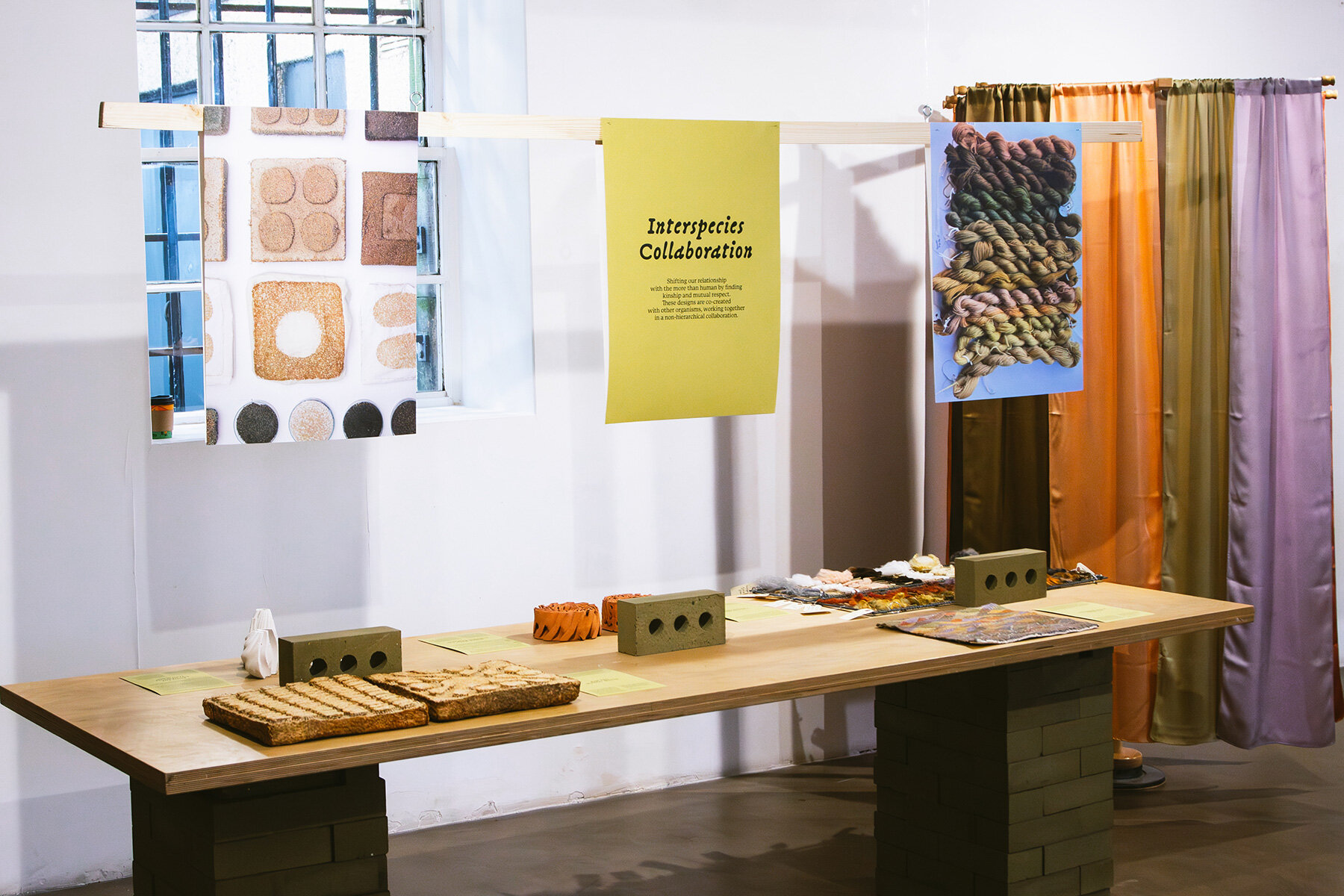
all installation images by Abbie Green
outlining a new design paradigm at Custom Lane, Edinburgh
For the founders of the women-run research and design practice, Giulia and Mara, the show is the culmination of years spent researching fashion futures, material methodologies, and inclusive design frameworks. Their backgrounds, spanning spatial design, art direction, olfactory environments, and systemic research, come together here to form a curatorial voice that is both rigorous and intuitive. One of the clearest provocations emerging from the exhibition is their assertion that ‘waste, extraction, pollution and exclusion are by design,’ and therefore design also holds the tools for reconfiguring the systems that produced them.
Curated in partnership with Common Practice, the exhibition unfolds through four thematic strands, Holistic Systems, Interspecies Collaboration, A Culture of Care, and Future Craft, each offering a different angle on how design can operate beyond extraction and efficiency. As the curators put it, the selected works ‘dare to imagine and design otherwise,’ proposing alternatives to linear production, extractive material cultures, and the myths of efficiency that have shaped dominant design narratives. The setting of Custom Lane, a collaborative center for design and making developed by GRAS, reinforces the ethos of shared space, practice, and futures.
What follows is a deeper look into these ideas through our conversation with Doyenne Studio, touching on eco-feminist theory, craft as ancestral knowledge, interdependence as method, and the generative challenges of working with many voices under one conceptual horizon. Read on for our full discussion below.
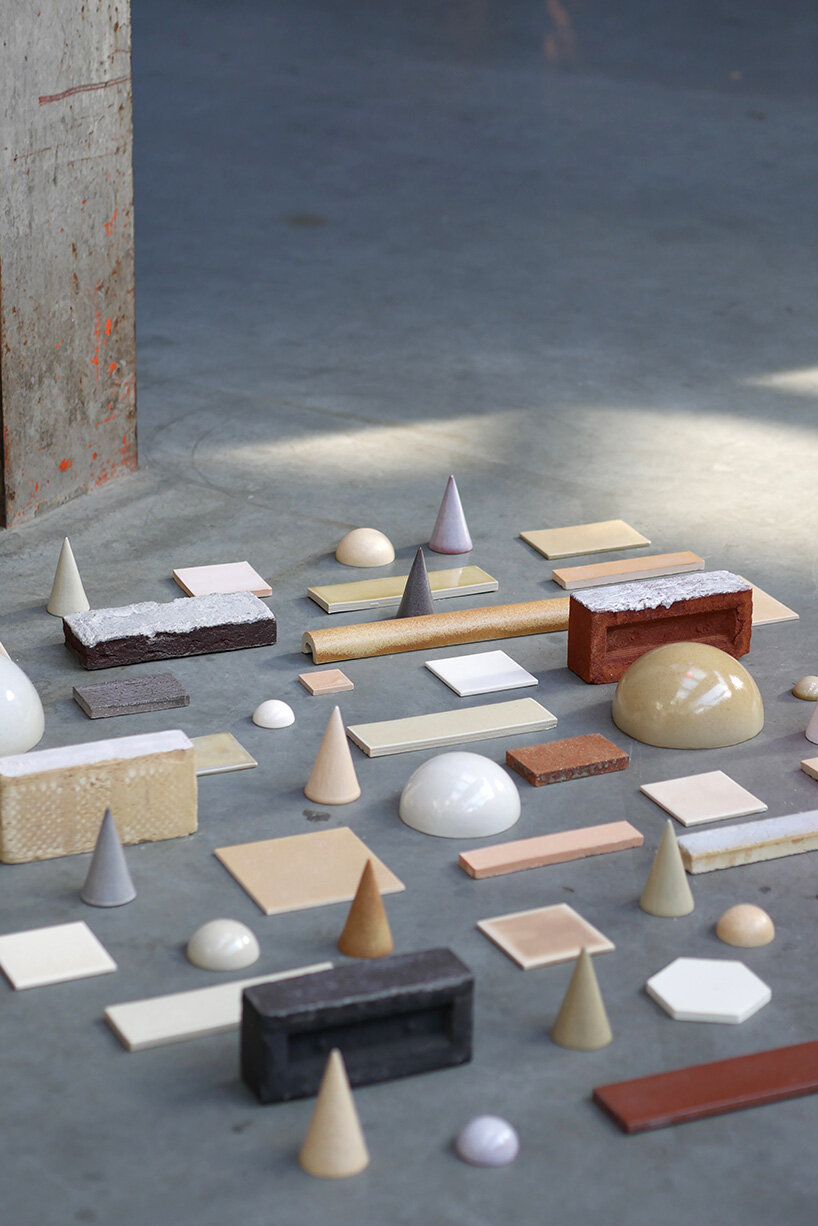
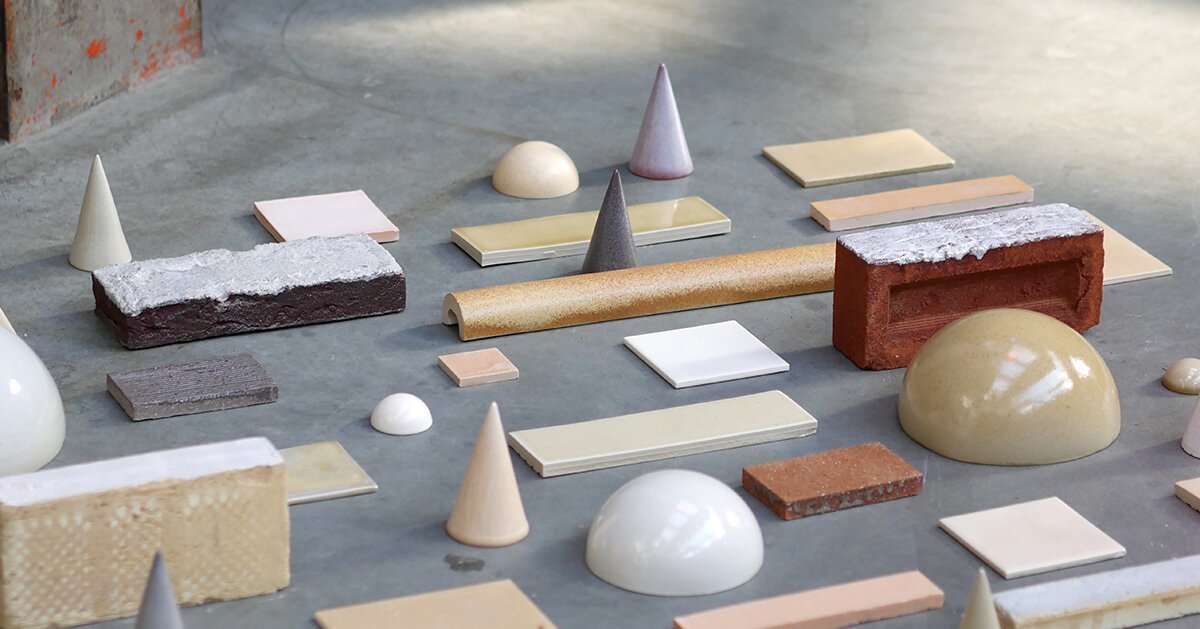
Ignorance is Bliss by Agne Kucerenkaite
interview with doyenne studio
designboom (DB): You frame ‘feminine’ as a design methodology rather than a gendered aesthetic. How did you arrive at this interpretation, and why is it important now?
Doyenne Studio (DS): Within the context of the exhibition, feminine refers to an approach that is collaborative, decentralised, non-linear, fluid, empathetic, and holistic. The curation is the result of many years of research in the field of fashion futures and design innovation, specifically looking at color, product, and material methodologies with ecological and inclusive thinking at their heart. We all have a feminine and masculine side, women and queer designers naturally gravitate towards the regenerative approach simply because they are allowed to explore it more than men on a societal level. Design has detached itself from the idea of interconnection with the environmental, societal, and political implications of choices that are by design. So now more than ever, a life-giving approach is needed. Ultimately, we design for living beings, and the consequences of exclusion, pollution, and overproduction can be tackled by the industry if we allow ourselves to explore alternatives.
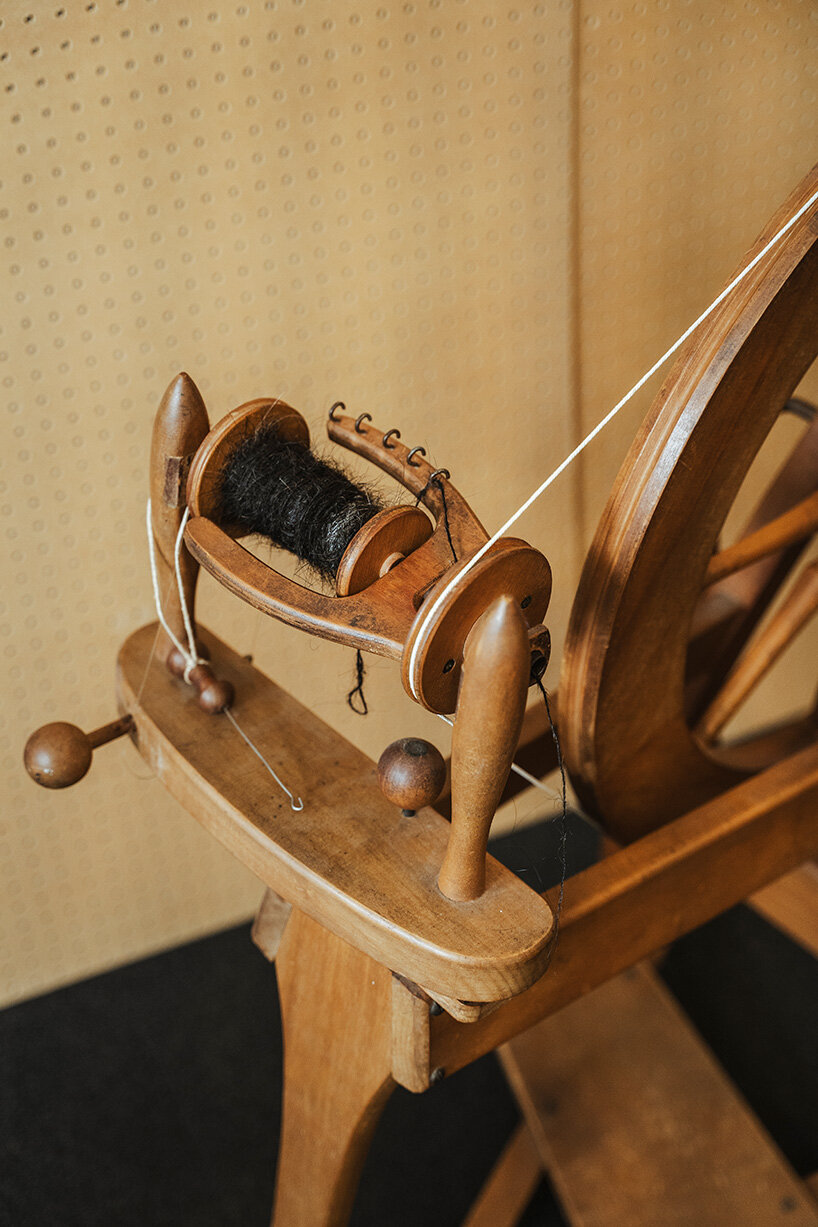
Hair Cycle by Sanne Visser | image by Rocio Chacon
DB: How does ecofeminist theory inform the selection and curation of the works in this exhibition?
DS: The exhibition challenges the dominance of the masculine in our approach to design and life in general. By a masculine approach, we mean a linear, competitive, logical, productivity-oriented approach. Our current systems are out of balance because this methodology needs its feminine counterpart. There is a connection between this approach, which is encouraged by capitalist and patriarchal ideologies, and the increasing extraction, oppression, and destruction of species, communities, landscapes, and resources. Eco-feminist theory illustrates these dynamics, and it is about time we weave this perspective into our design conversations. Waste, extraction, pollution, and exclusion are by design, so design holds an enormous potential in tackling these issues. The works we have selected in Feminine Literacy deal with these topics, and they dare to imagine and design otherwise.
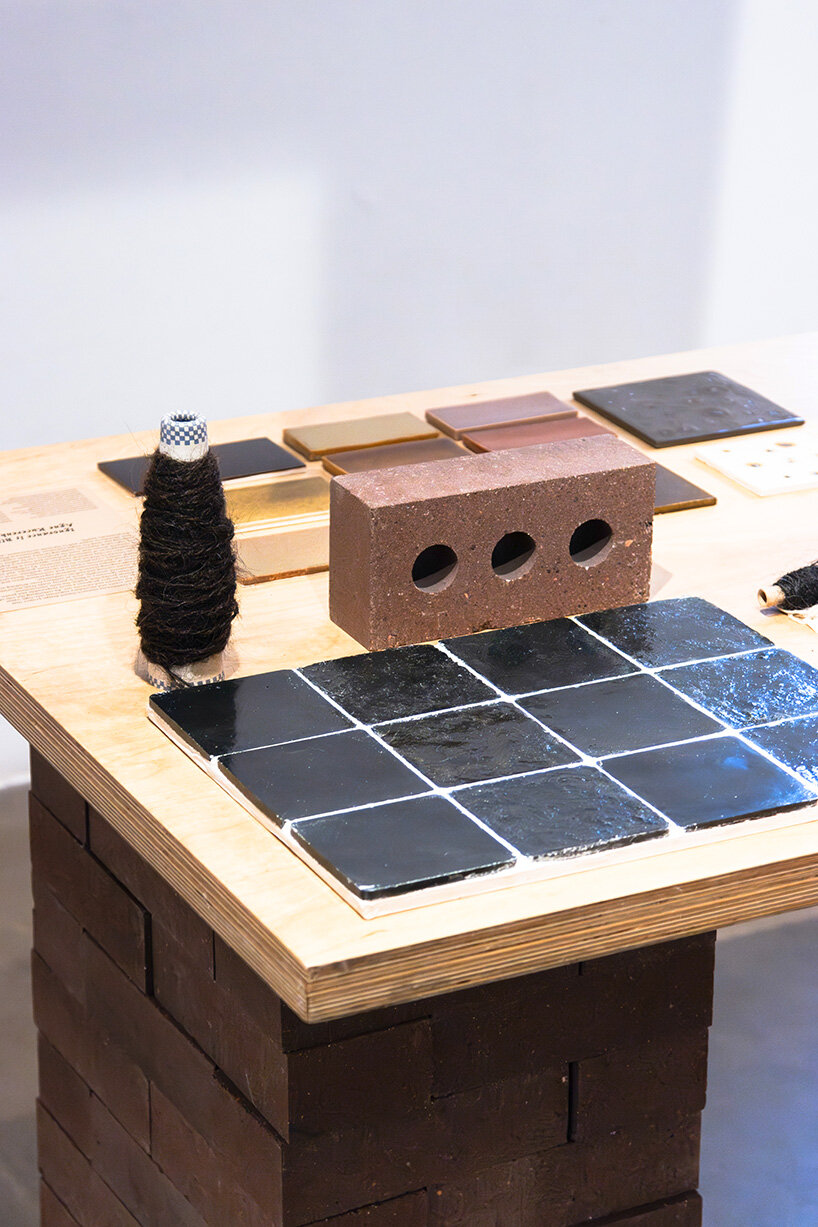
wasted human hair becomes sustainable materials
DB: Can you give a specific example of a design in the exhibition that embodies interdependence, care, or systemic thinking?
DS: Every project we have selected embodies these themes, but if we had to pick a handful, they would be: Resting Reef by Aura Murillo and Louise Skajem, a death care service that allows you to turn your loved one’s ashes into life-giving marine sculptures that restore coral reefs, creating rituals of death that center life. Co-Obradoiro Galego by Paula Camiña Eiras, which celebrates Galician cultural identity by combining traditional basketry techniques with innovative biomaterials made from by-products of the fishing industry, ultimately demonstrating how heritage crafts can evolve for a regenerative future. Ignorance is Bliss by Agne Kucerenkaite, an ongoing research-based design project that transforms industrial waste and secondary materials into high-value ceramic surfaces for interior and exterior use, replacing factory-made components and reducing the need for virgin resources. Ignorance is Bliss is giving a new identity to waste and to the built environment, with empathy for planetary health.