
Hyperlocal Construction in Rwanda: Low Carbon Architecture
Architects: Want to have your project featured? Showcase your work by uploading projects to Architizer and sign up for our inspirational newsletters.
Hyperlocal construction is emerging as a practical response to the pressures reshaping the global building industry. It addresses a rising carbon footprint and unstable supply chains by prioritizing resources found close at hand. While many regions rely on new regulations or logistical partnerships, countries such as India, Vietnam and China are revisiting locally sustained construction methods. Rwanda stands out in this global shift for how quickly and deliberately it has turned these methods into a consistent architectural practice.
Across the country, architects and developers are bypassing distant supply chains to work directly with earth, stone, timber and local labor. Terrain and climate actively shape design decisions, influencing both structure and material choice. Buildings take form around available resources rather than imported systems.
The following projects reflect how this approach plays out across Rwanda at different scales and building types. From sports and education to industry and healthcare, each example shows how hyperlocal construction shapes form, material choice and construction logic. Taken together, these projects show that hyperlocal construction in Rwanda is not a one-off response or a niche approach. It is a repeatable way of building that links material availability, labor and long-term performance into a single architectural logic. Across different programs and scales, construction choices consistently shape form, durability and use.
Virunga Mountain Spirits Distillery
By BE_Design, Musanze, Rwanda
Jury & Popular Choice Winner, Low Cost Design, 13th Architizer A+Awards
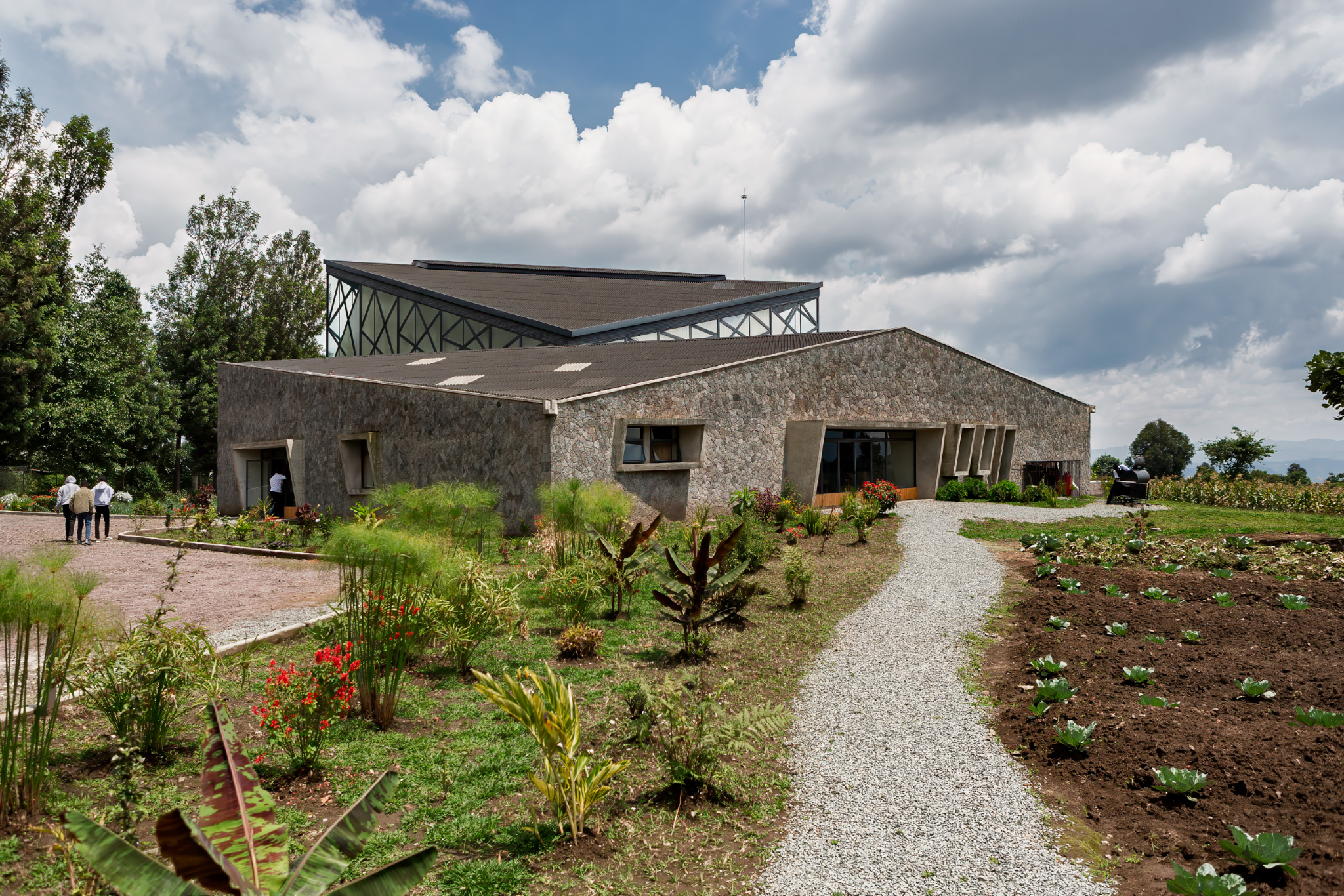
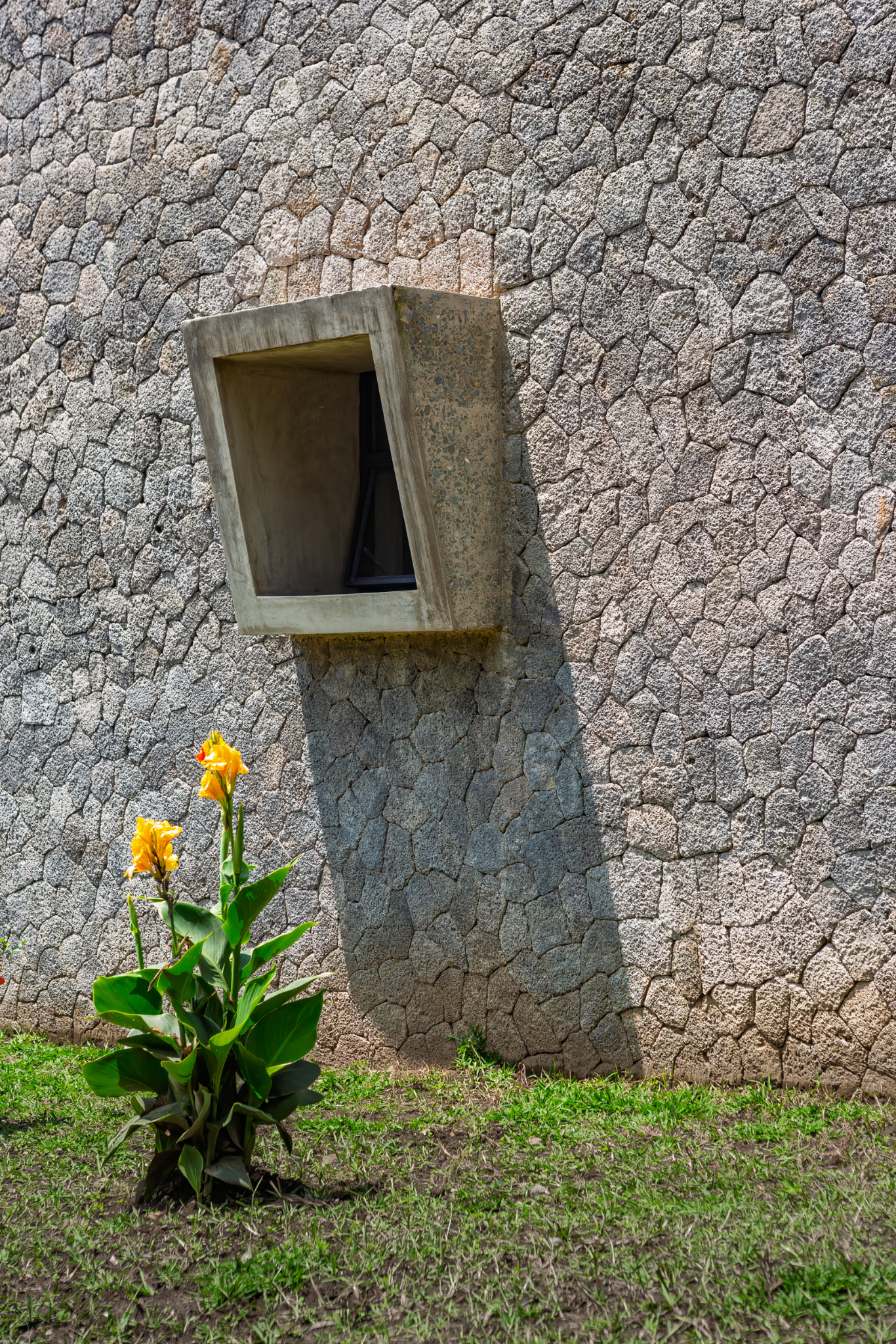 This women-led distillery sits at the base of Rwanda’s volcanoes. Its design prioritizes hyperlocal construction by using hand-shaped volcanic rock walls to wrap the production spaces. The project team sourced the vast majority of materials locally to reduce the project’s carbon footprint. They also employed a local workforce and provided them with on-site training and transferable skills to continue to support the Musanze community.
Rwanda Institute for Conservation Agriculture (RICA)
By MASS Design Group, Gashora, Rwanda
Jury Winner, Sustainable Landscape/Planning Project & Jury Winner, Architecture +Landscape, 13th Architizer A+Awards
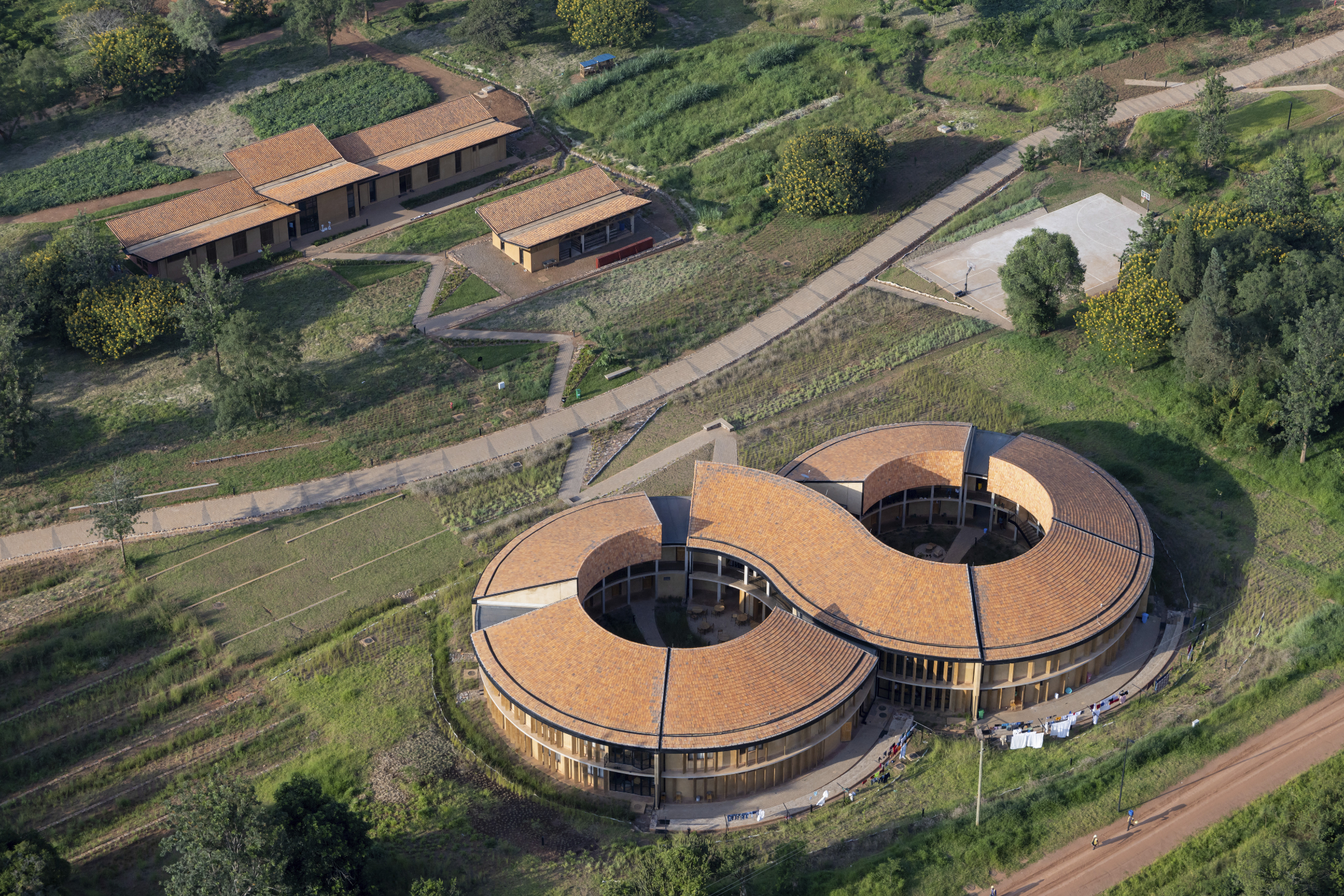
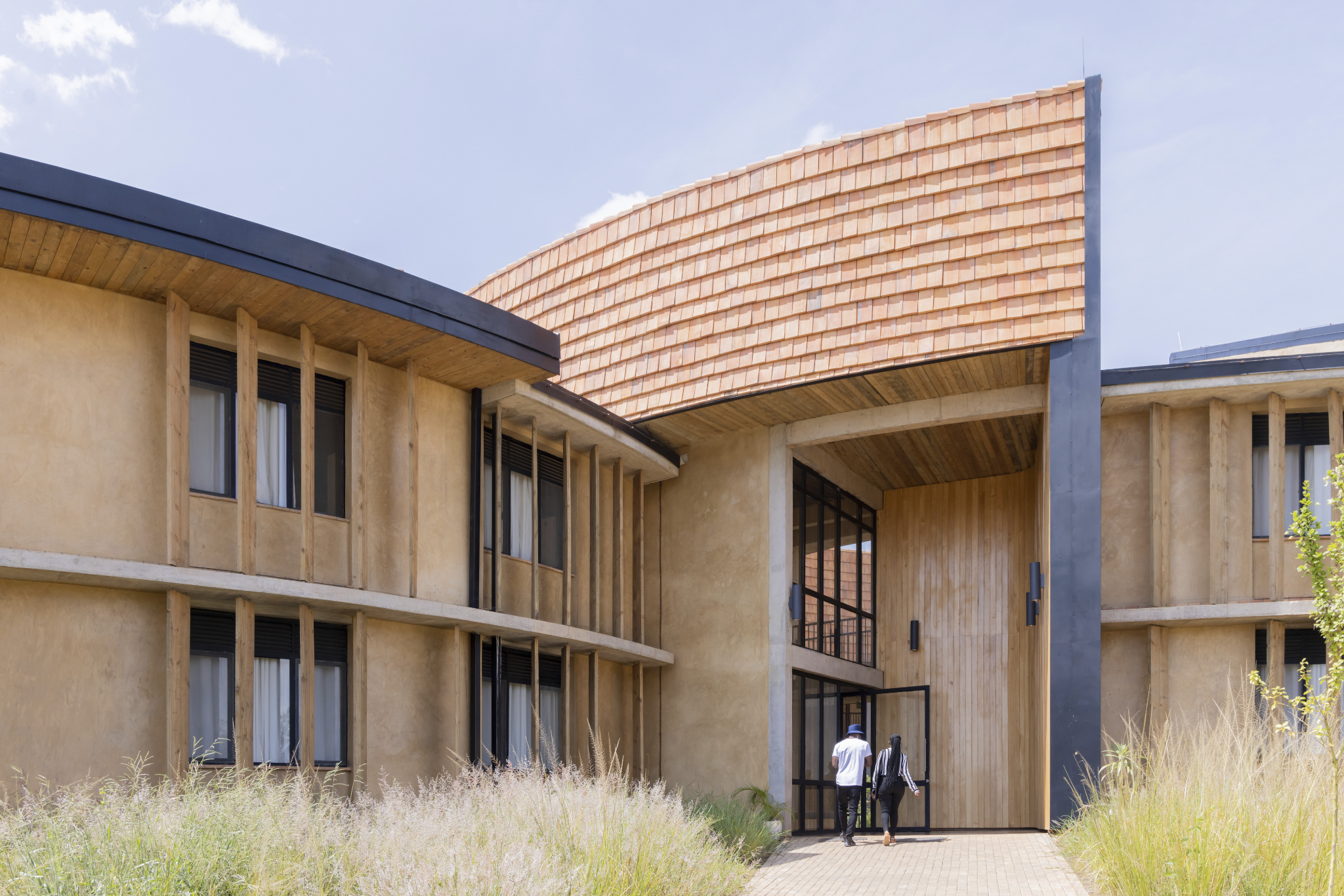 RICA is a climate-positive campus built with 96% locally sourced materials. This hyperlocal construction effort used resources like rammed earth, compressed earth blocks and terracotta, all harvested directly from the site. The project maximized its “human handprint” by employing 2,500 people, 90% of whom were from the local district. These techniques resulted in 60% less embodied carbon than traditional institutional buildings.
Komera Leadership Center
by BE_Design, Rwinkwavu, Rwanda
Jury Winner, Architecture +For Good; Jury & Popular Choice Winner, Architecture +Low Cost Design; Jury Winner, Architecture +Community; Popular Winner, Community Centers, 11th Annual A+Awards
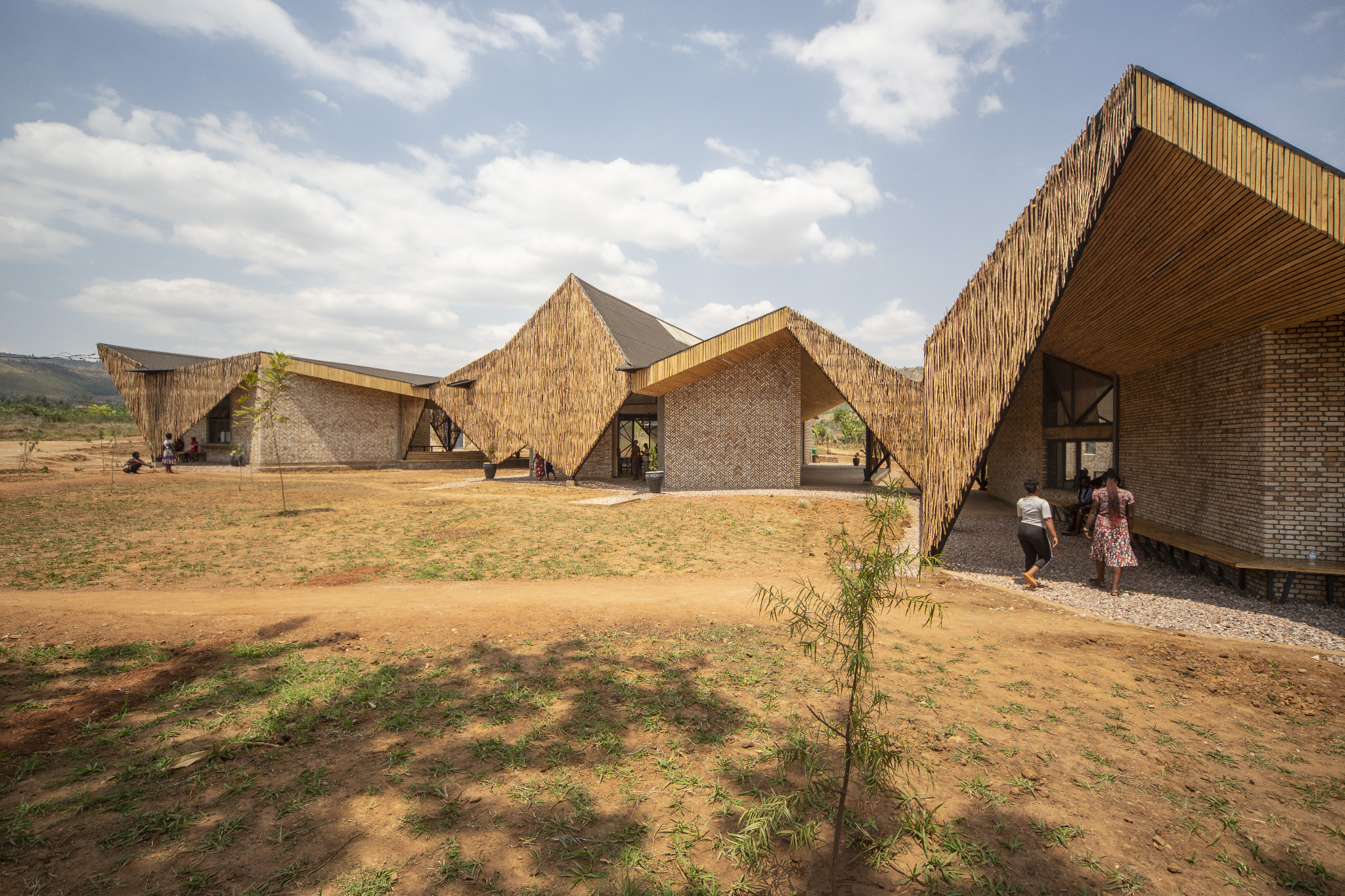
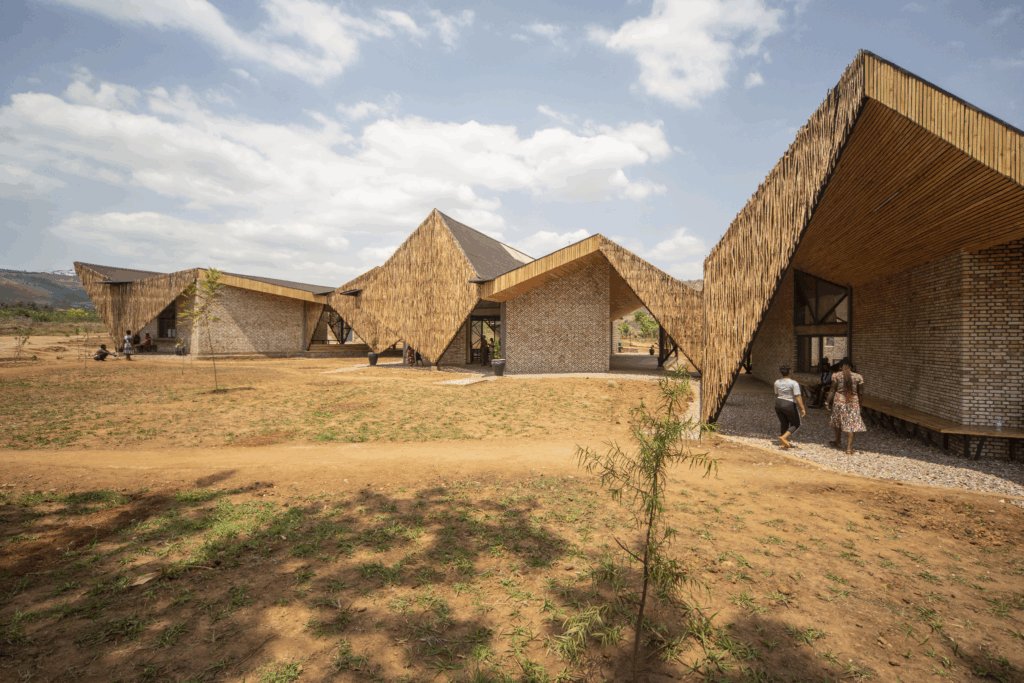
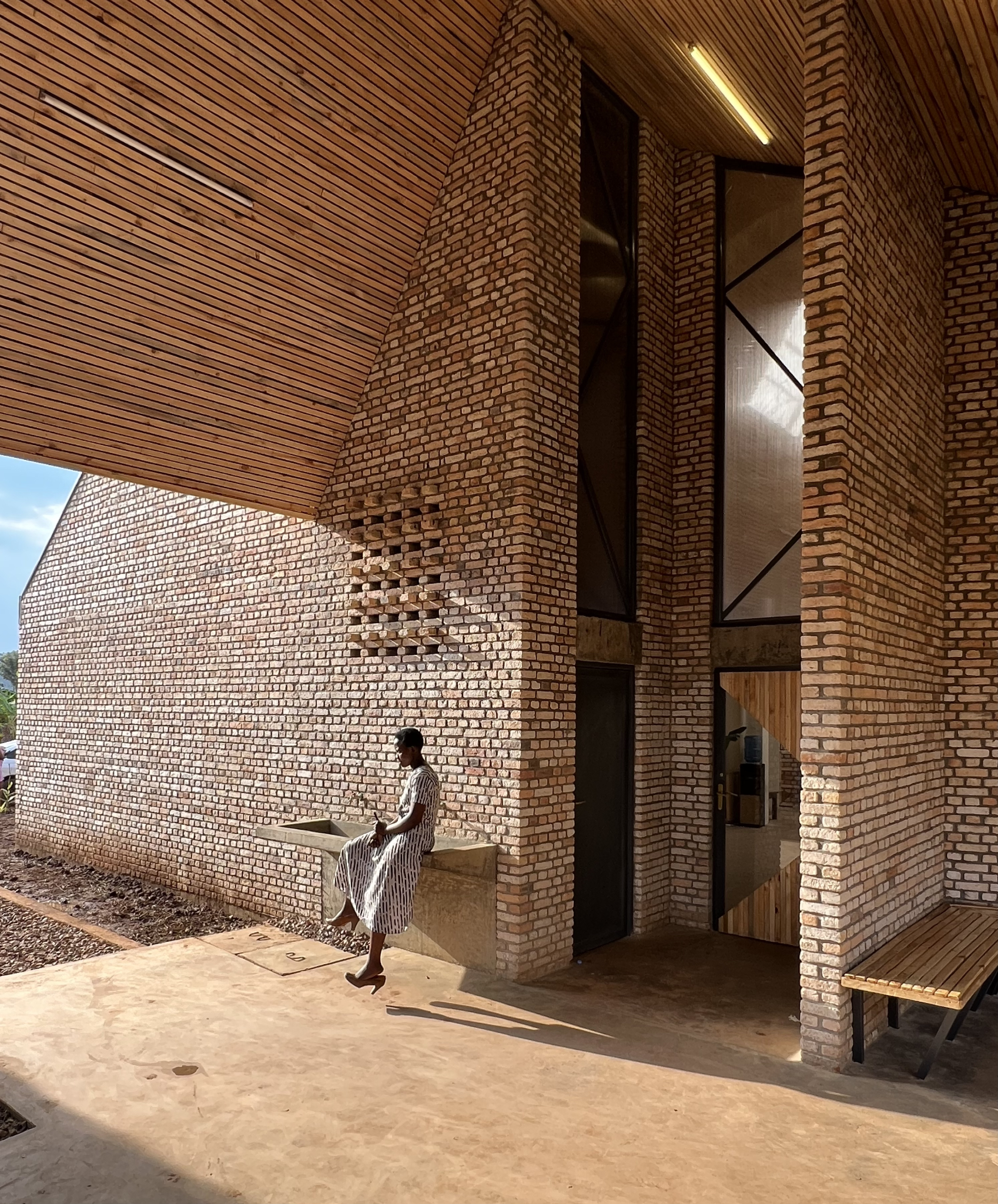 Designed as a community anchor, BE_Design built the Komera Leadership Center largely from locally sourced materials. Hyperlocal construction appears in the roof forms and woven eucalyptus screens inspired by traditional Imigongo art. The project maintained a 40 percent female workforce, offering training, income, and savings accounts. Community involvement was vital from the center’s conception through its completion.
The Ellen DeGeneres Campus for the Dian Fossey Fund
By MASS Design Group, Kinigi, Rwanda
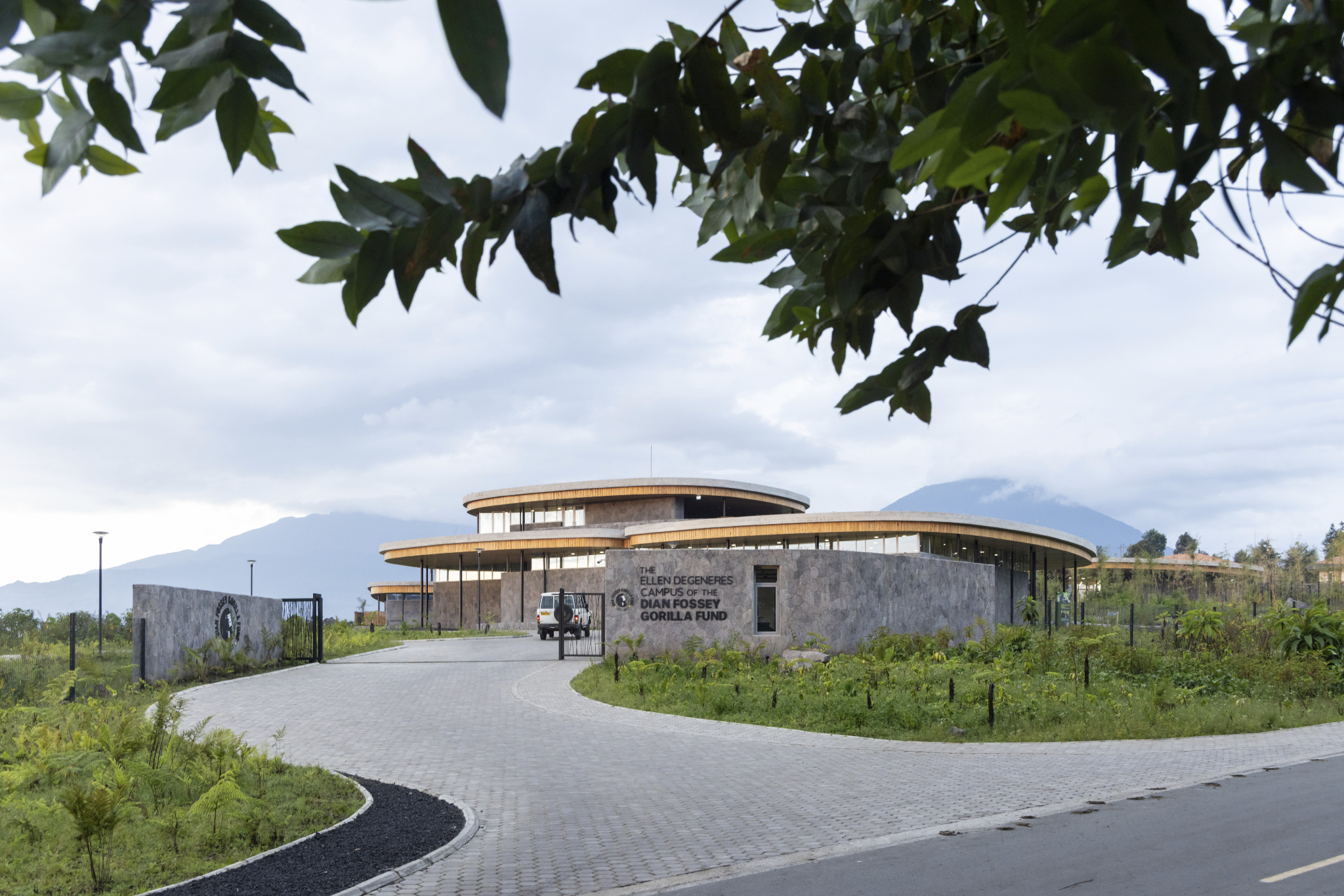
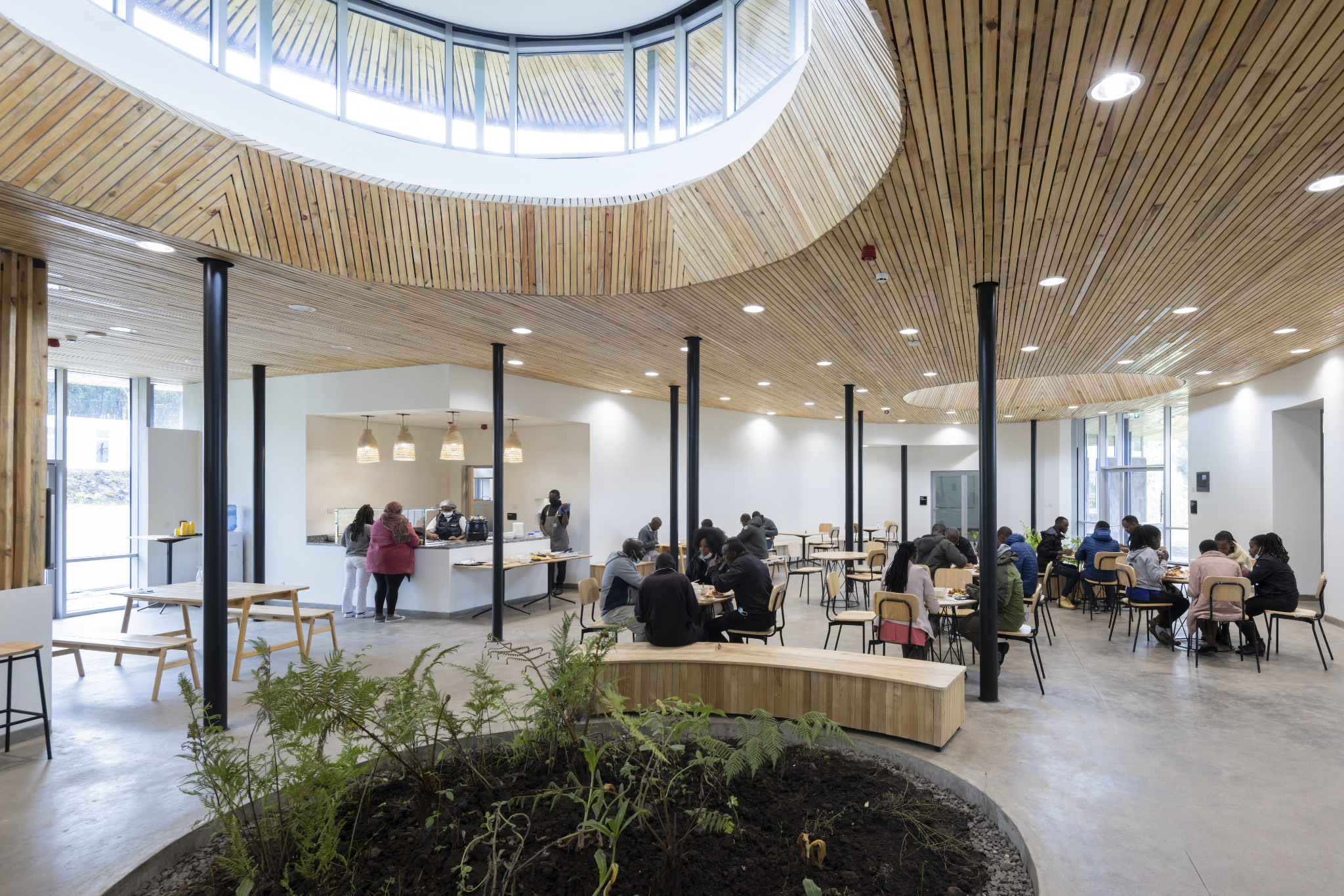 MASS Design Group once again used hyperlocal construction to minimize environmental impact on this campus. The buildings feature porches made of local volcanic stone and custom wood seating. Since commercial nurseries were unavailable, they collected and propagated over 250,000 native plants on site to restore the landscape. This approach ensures the facility acts as a living laboratory for conservation.
Masoro Health Center
By General Architecture Collaborative, Rulindo, Rwanda
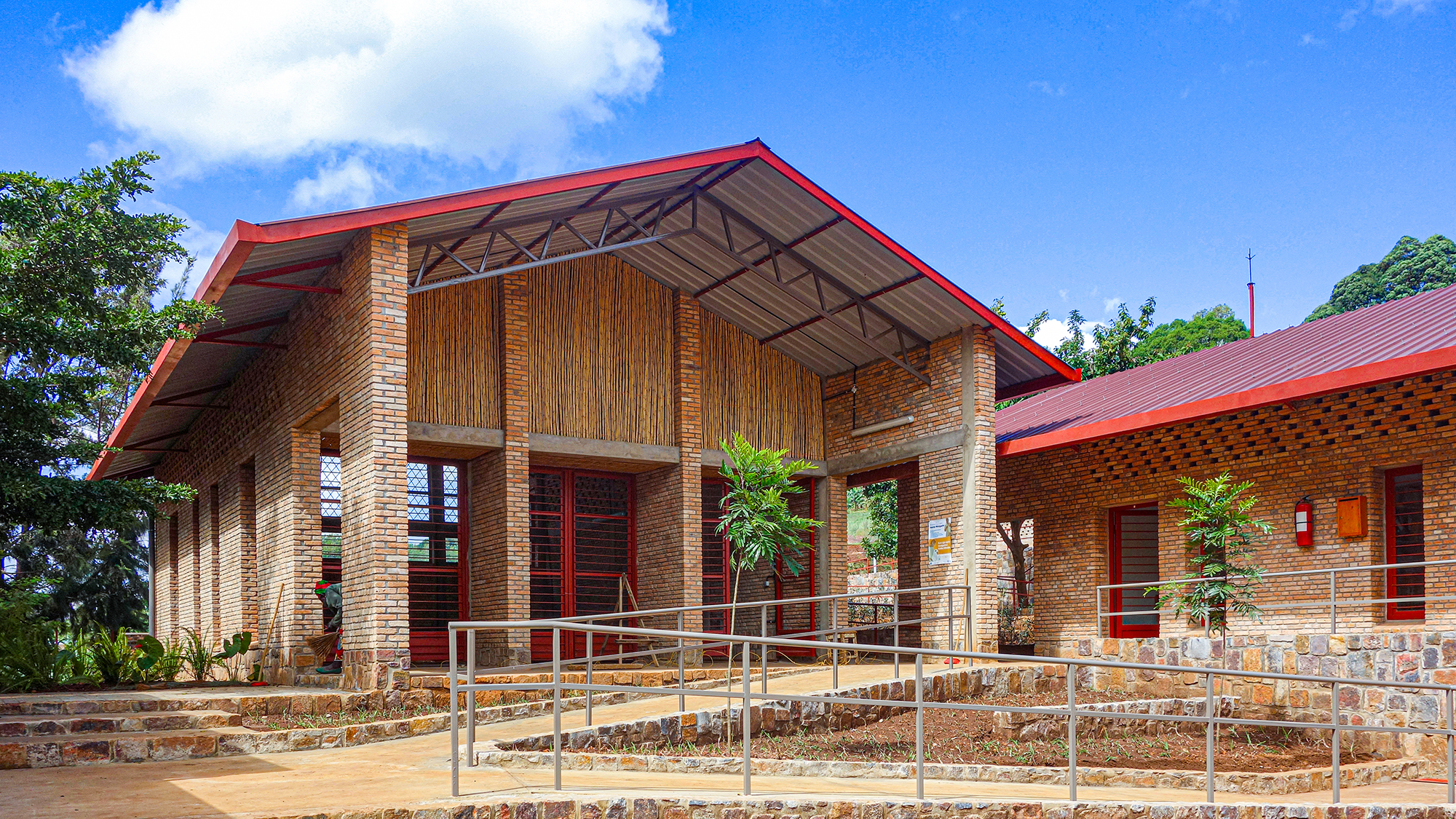
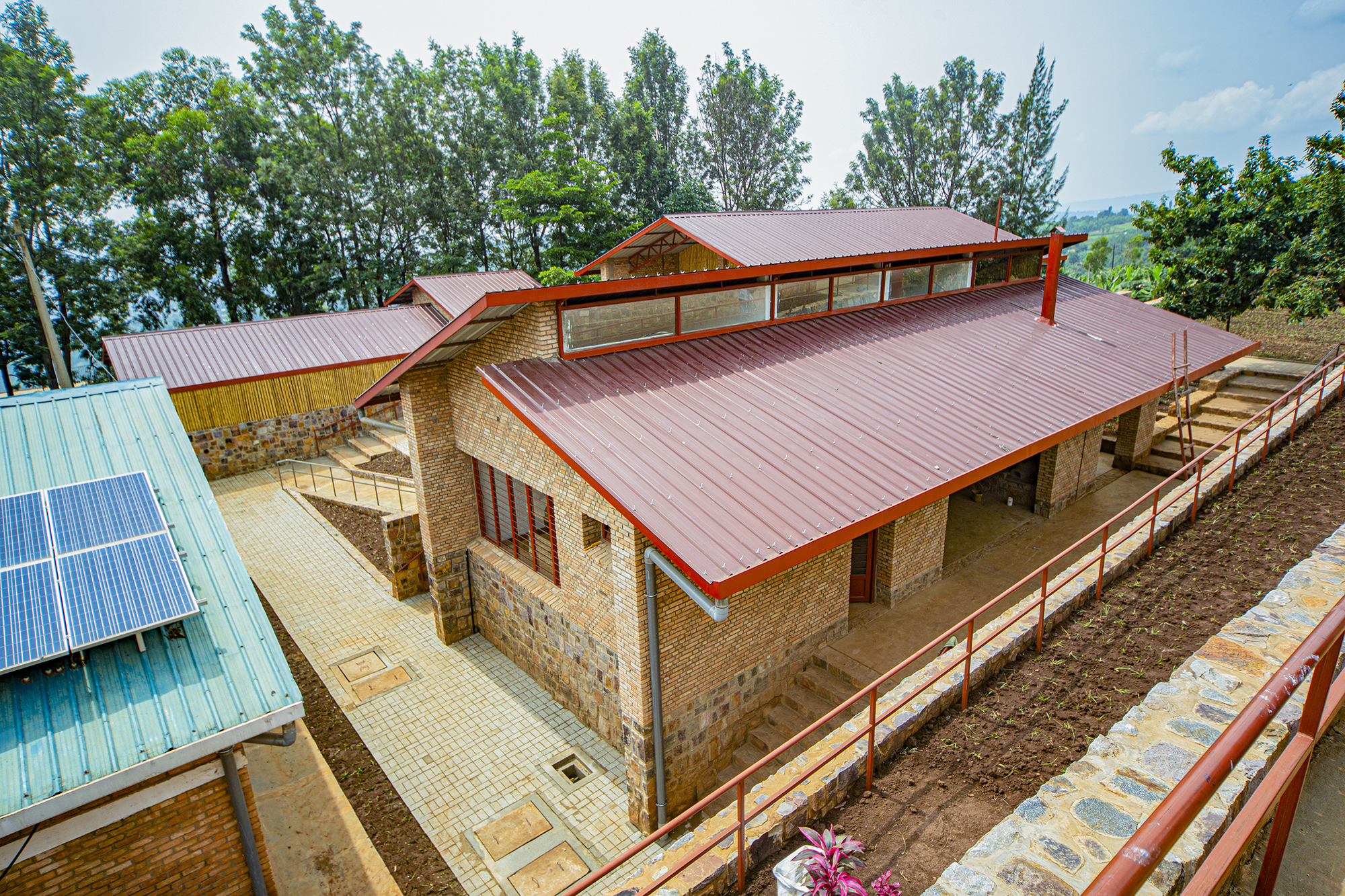 This public health campus used the architectural process to promote community wellness. They achieved hyperlocal construction by hiring and training local residents to build the project on its steep, difficult terrain. Instead of using intensive retaining walls, the design features terraces and native grasses to manage water run-off. This culturally specific approach provided local builders with skills and income for future industry work.
Learning & Sports Center
By General Architecture Collaborative, Masoro, Rwanda
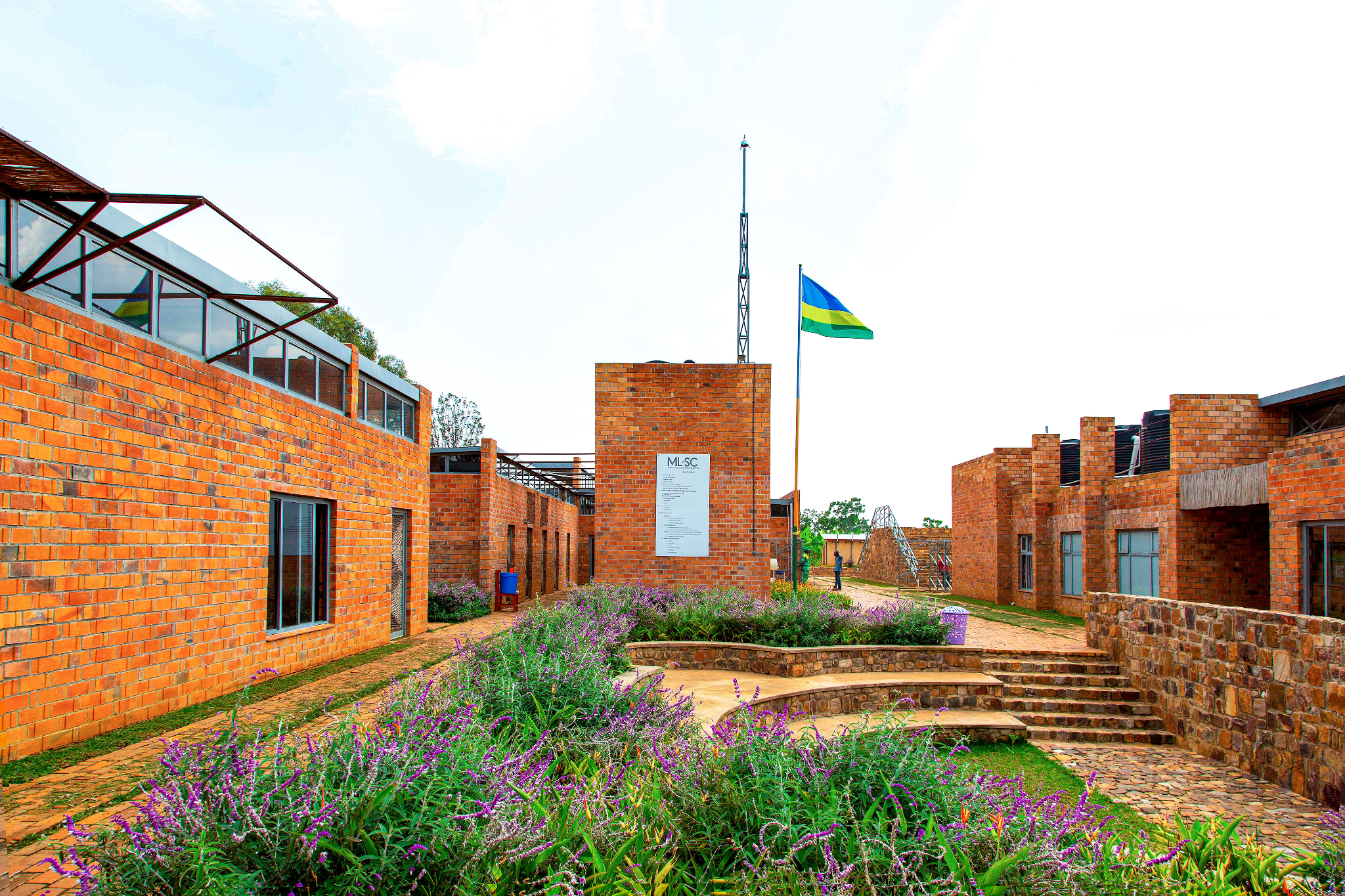
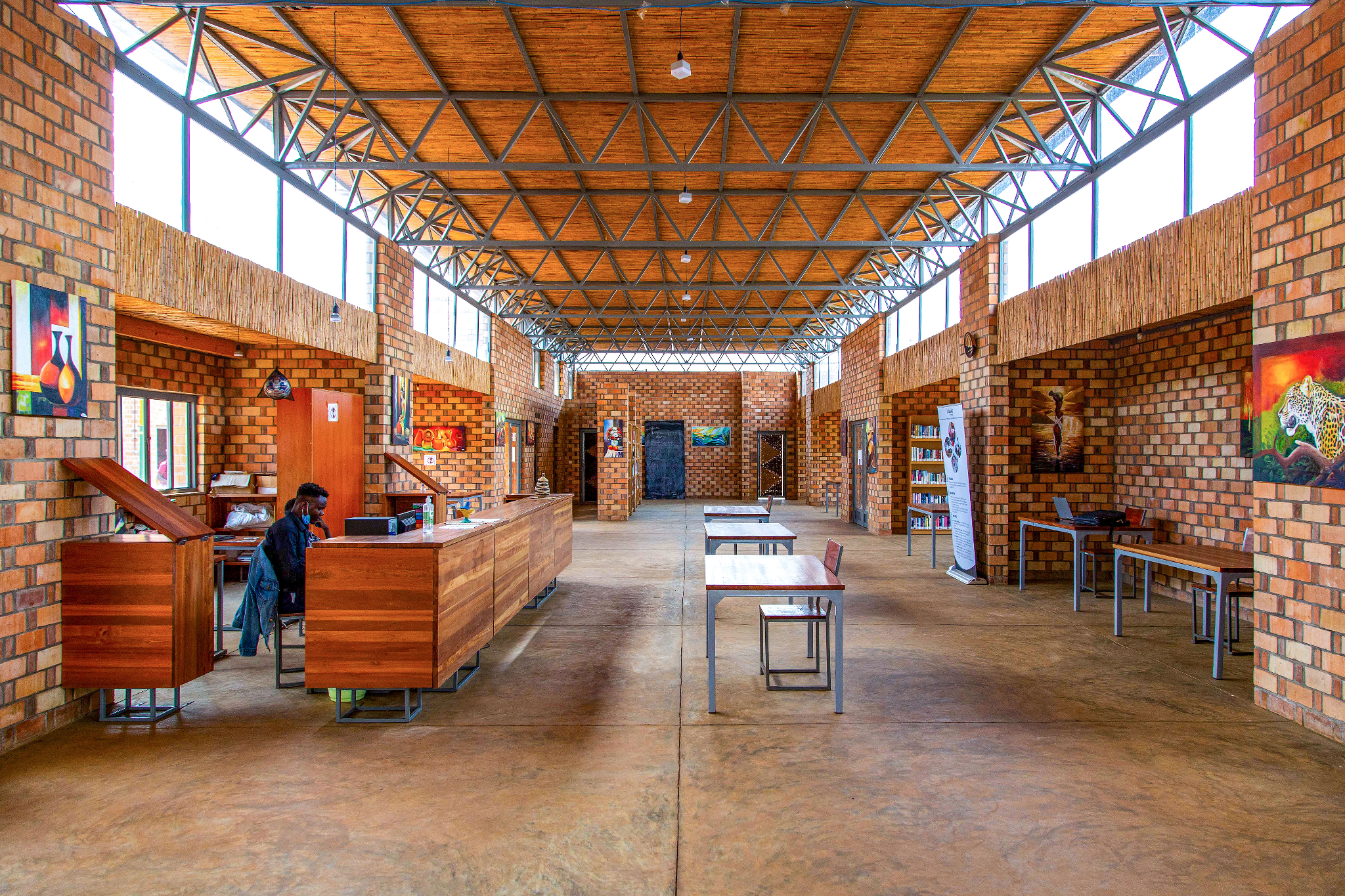 Serving rural Masoro, this center provides free educational and recreational spaces for the community. Hyperlocal construction guided both labor and technique, with 390 local builders trained in modern brick construction and screen weaving using local grasses. The builders used excess soil from excavation again as compressed soil blocks. This inclusive building process fostered strong community ownership and long-term use.
IRCAD Africa
By S&AA, Kigali, Rwanda
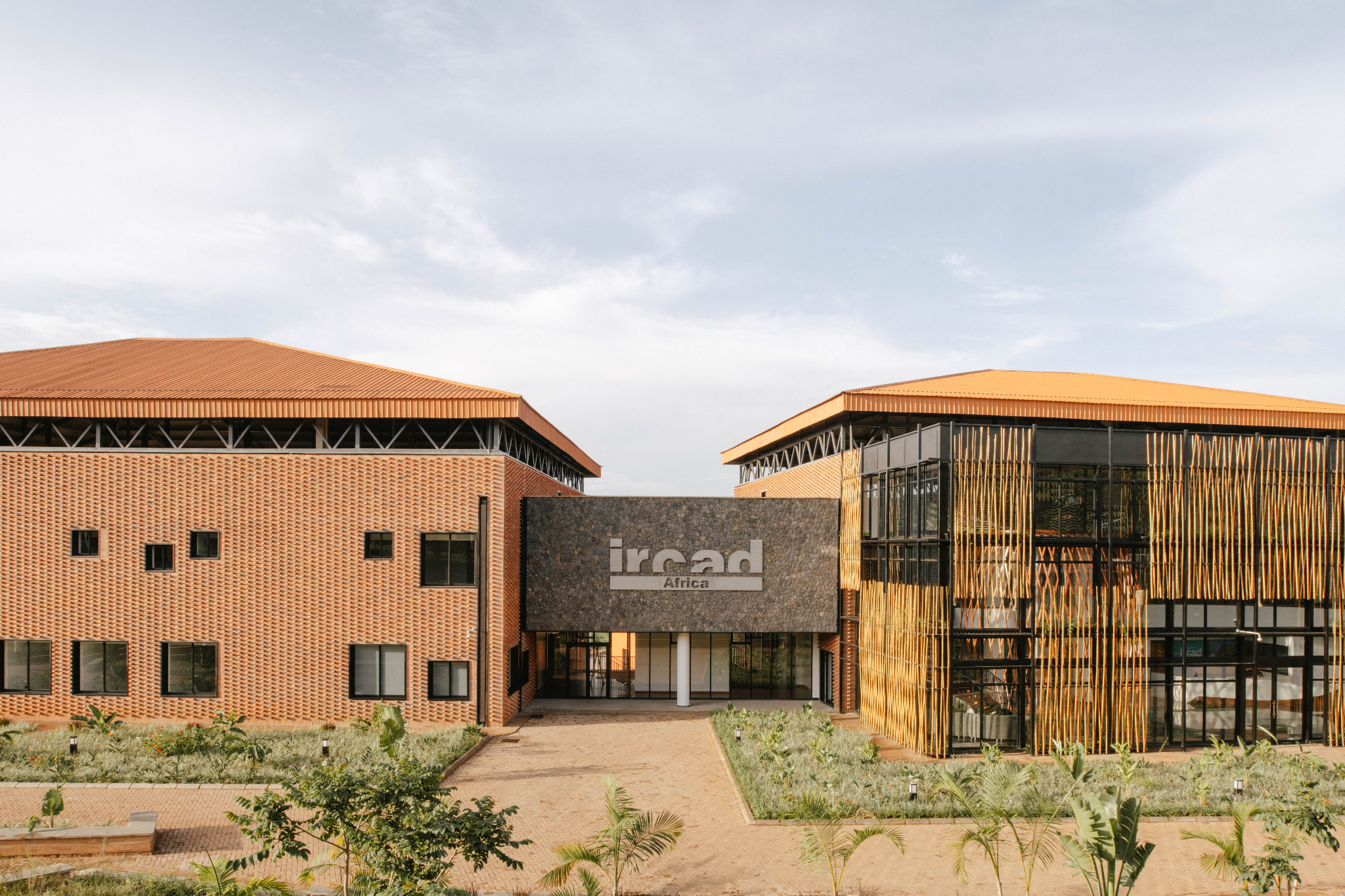
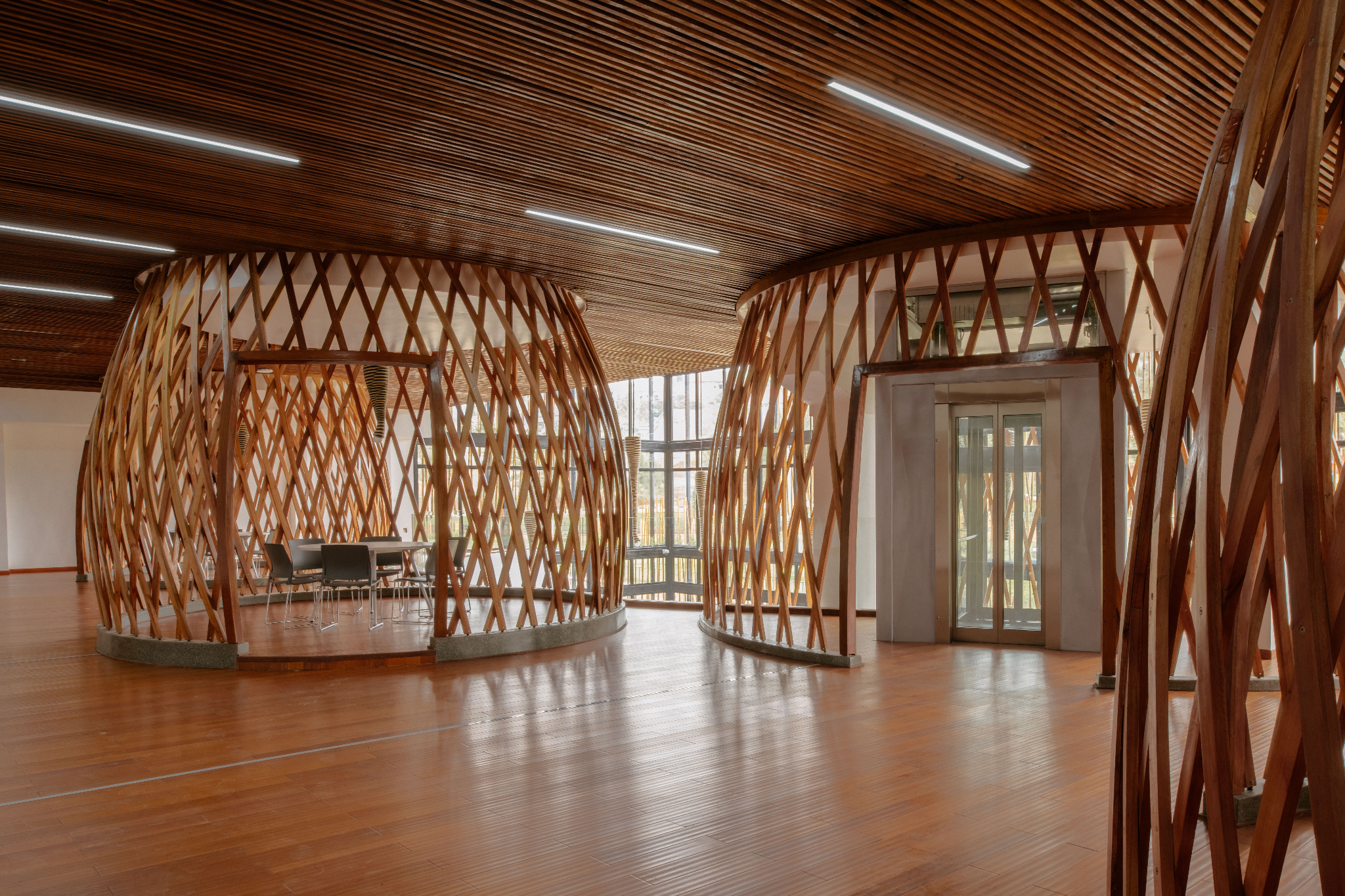 S&AA designed the form of this surgical training center to draw directly from Rwanda’s hills and volcanoes. They adopted hyperlocal construction through the exclusive use of local materials and regional building skills. Its unique geometry has three irregular prisms connected to “volcano” structures housing an auditorium and cafeteria. This integration of nature and local craft creates a platform for sharing knowledge.
Partners in Health Housing
By Sharon Davis Design, Rwinkwavu, Rwanda
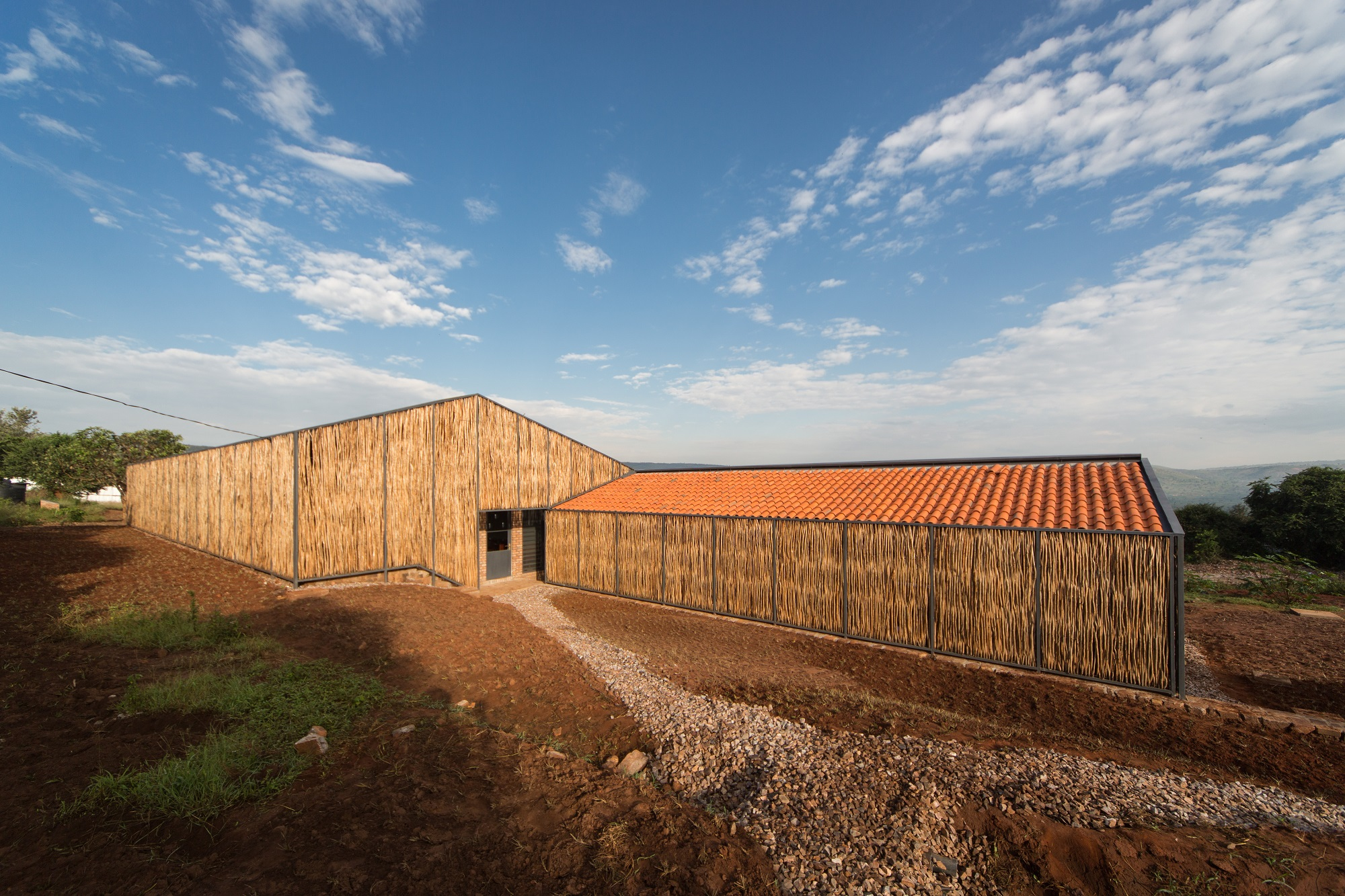
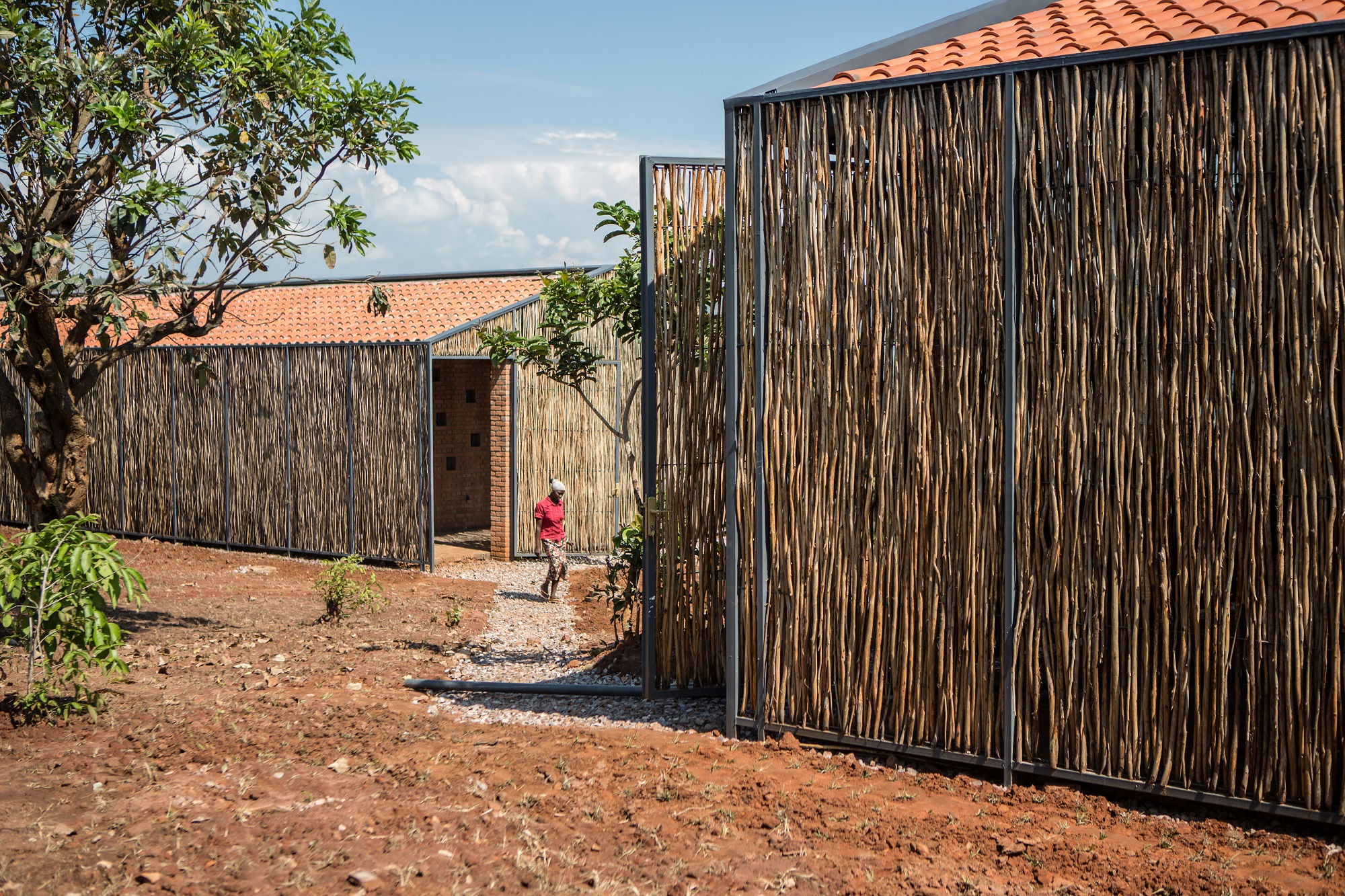 This housing project for medical staff used 100% Rwandan materials, with most sourced from neighboring areas. **Hyperlocal construction** involved quarrying local stone for foundations and employing a neighborhood women’s cooperative to hand-make all bricks. Approximately 90% of the labor was local to the rural village of Rwinkwavu. This approach boosted the local economy while providing quality housing that enhances connections between staff and community.
Rwanda Cricket Stadium
by Light Earth Designs, Kigali, Rwanda
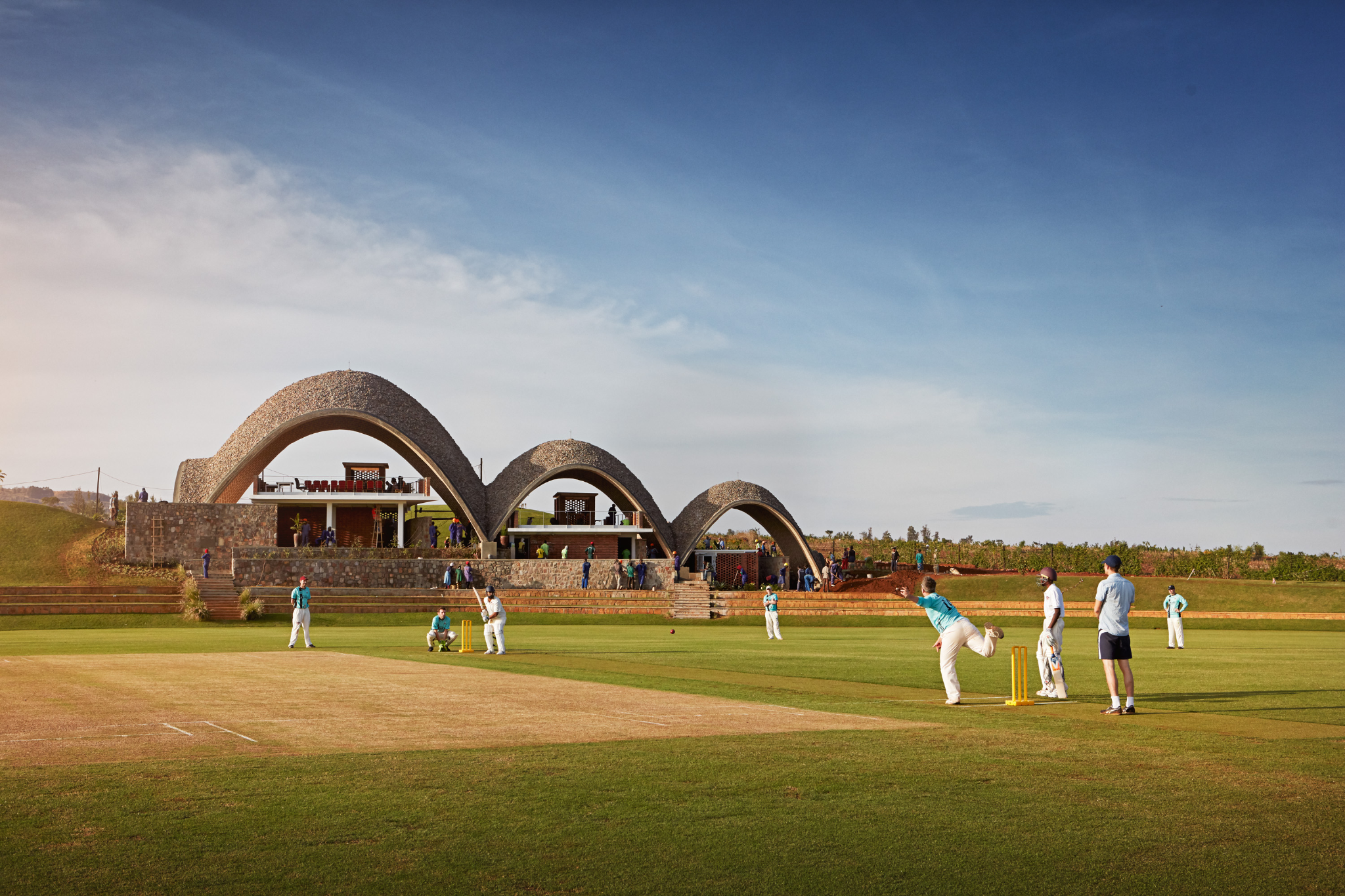
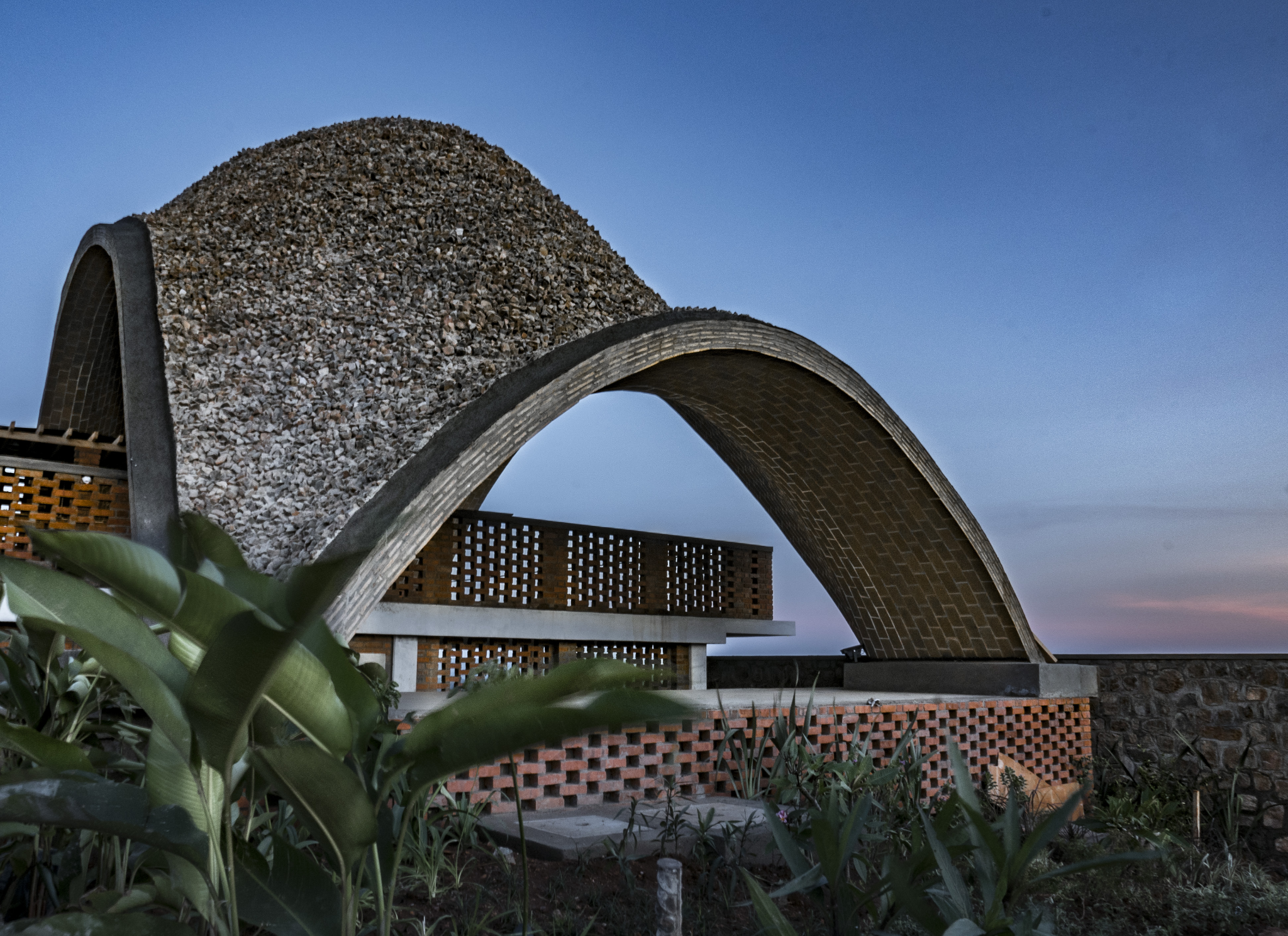 The stadium features three parabolic vaults built with a thin-tile technique adapted for East Africa for the first time. They achieved hyperlocal construction by using site-excavated earth to create compressed soil-cement tiles. The structure further uses low-carbon, agro-waste-fired bricks and local broken granite for stability. By reusing plywood formwork for countertops, the project ensured that a lot of potential waste went back into primary production.
Architects: Want to have your project featured? Showcase your work by uploading projects to Architizer and sign up for our inspirational newsletters.


