Jamel Shabazz’s photographs are a love letter to Prospect Park
‘At this point in life I don’t like titles – “street photographer”, “documentary photographer”, I’m tired of all that,’ laughs Jamel Shabazz. ‘I’d call myself a documentarian. I’m just recording things on my personal journey. My camera is my compass. It allows me to see things in the world that I wouldn’t see otherwise. I go with the flow, meet people and learn.’
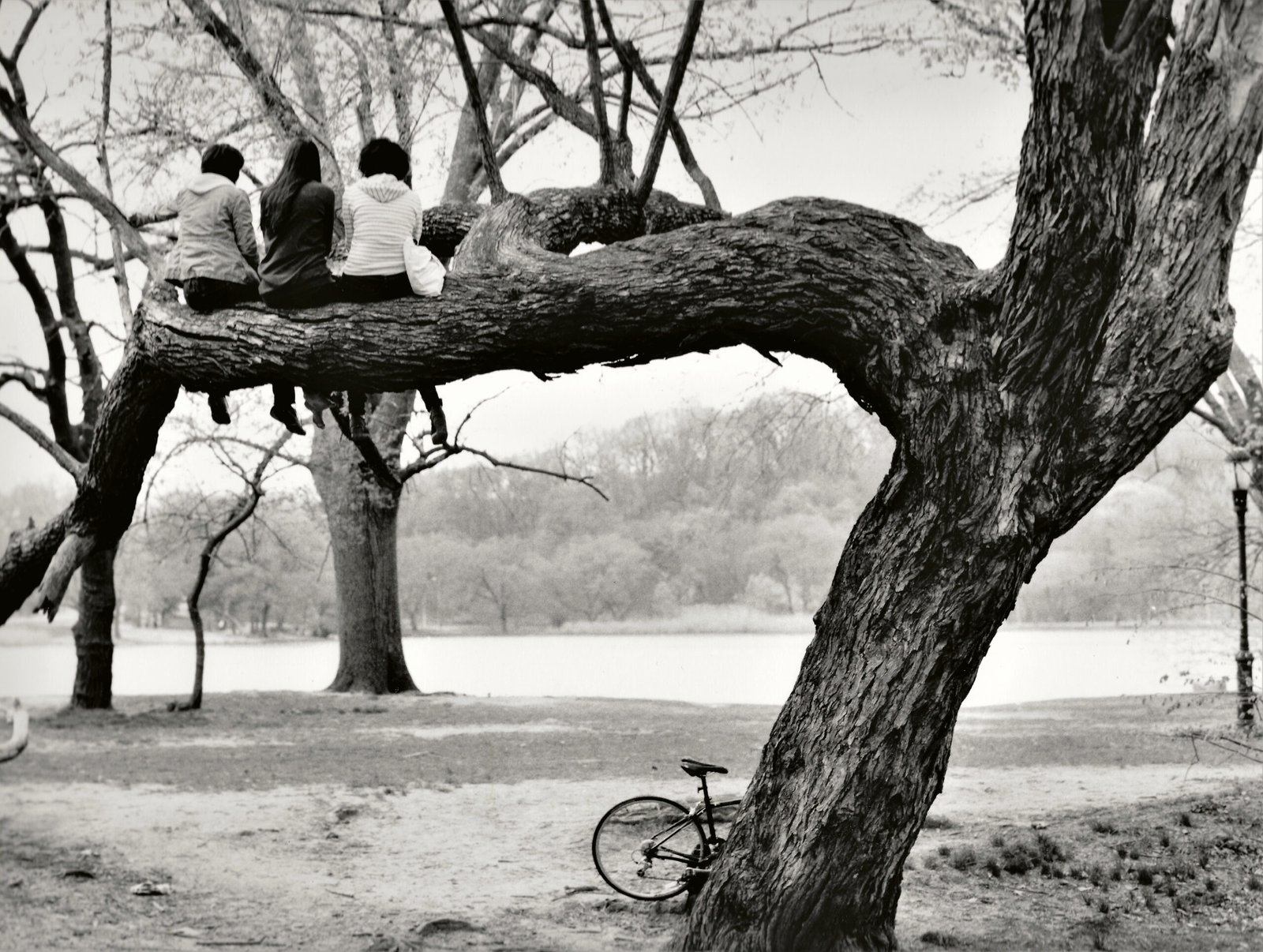
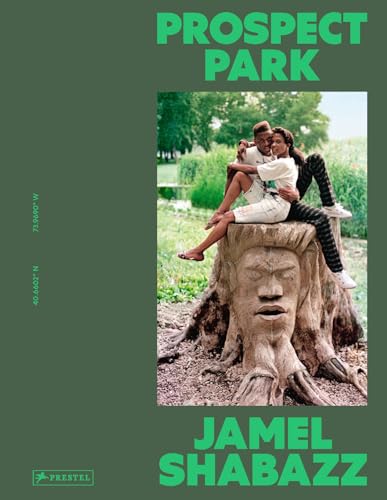
Shabazz – a US Army veteran-turned-career prison officer, retired early to turn unofficial social worker, mentor and, yes, photographer – is looking back over the images in his new book Prospect Park, a compendium of shots he took in Brooklyn’s own answer to Central Park from 1980 to 2025. A favourite of his shows three women, seen from behind, perched together on a low tree branch: it turns out that they had been visiting that same spot every year since junior school to just sit for the day and reminisce. Shortly after the shot was taken, a hurricane took the tree.
(Image credit: © Jamel Shabazz, 2025)
Prestel
Prospect Park: Photographs of a Brooklyn Oasis, 1980 to 2025
‘Everyone I’ve met in the park has had a story and without my camera – and the portfolio I’d carry with me, which helped show I was sincere – I wouldn’t have had those conversations,’ says Shabazz. ‘But life is slower in the park. People are more at peace, so they’re easier to photograph. I have vivid images of going to the park as a child, where the air is clean, where I saw a lake for the first time. It was an oasis, and when I was older, I realised I had to get back there, and kept going back there, to jog, to meditate, always with my camera. And it hasn’t changed at all. I can go there now and get the same feeling.’
The park also provided Shabazz with some relief, not least from the fact that his day job was a litany of desperation and brutality in a ceaselessly hostile environment. It was an opportunity just to talk to people and make connections, a process in ways more important than the photos that came out of it. ‘It was an opportunity just to see humanity in a different space, to share my story, hear theirs, maybe be a big brother to the younger guys facing challenges in their lives,’ says Shabazz. ‘And everyone I met had a story [such that it] felt like there was a reason for that meeting.’
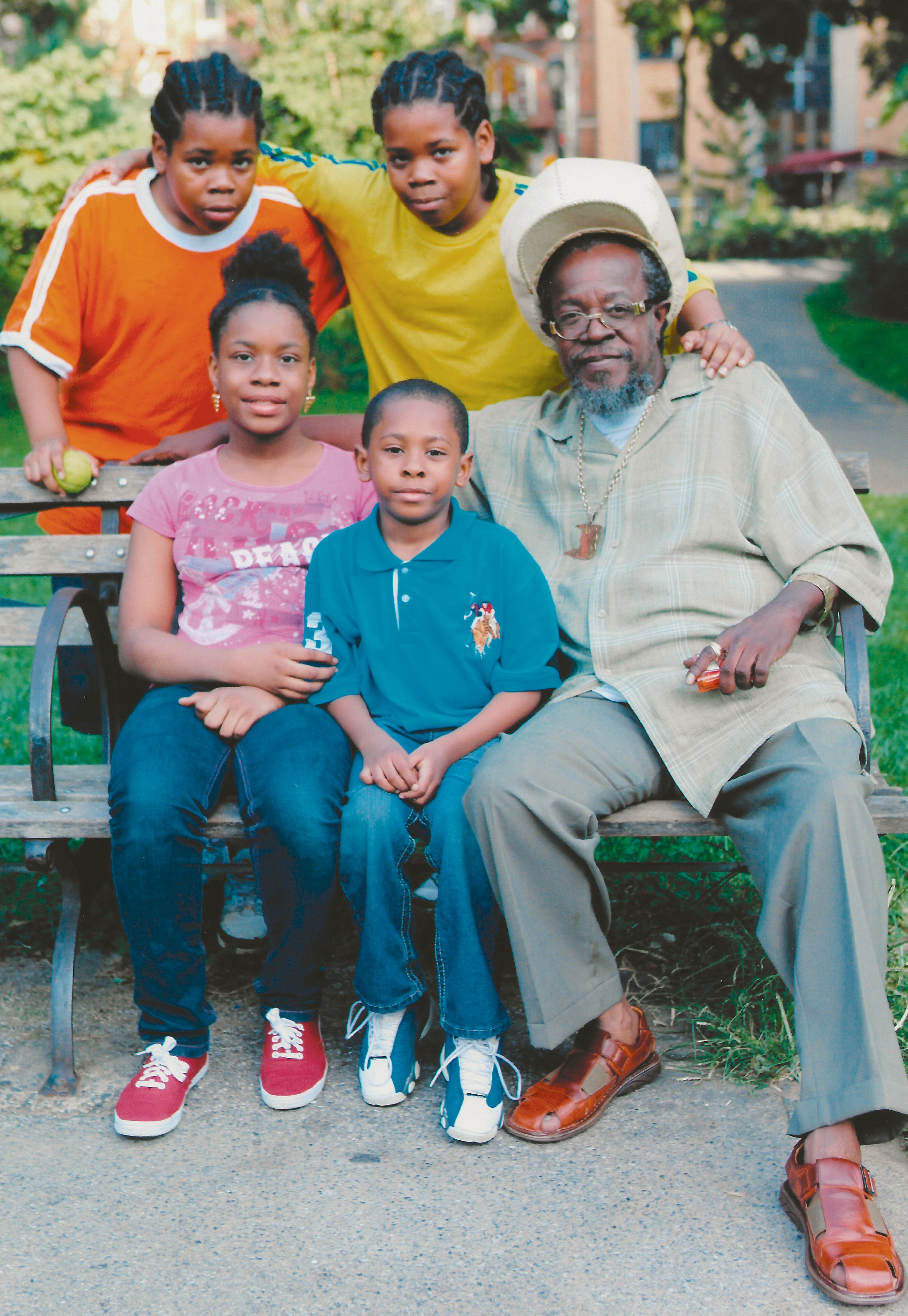
(Image credit: © Jamel Shabazz, 2025)
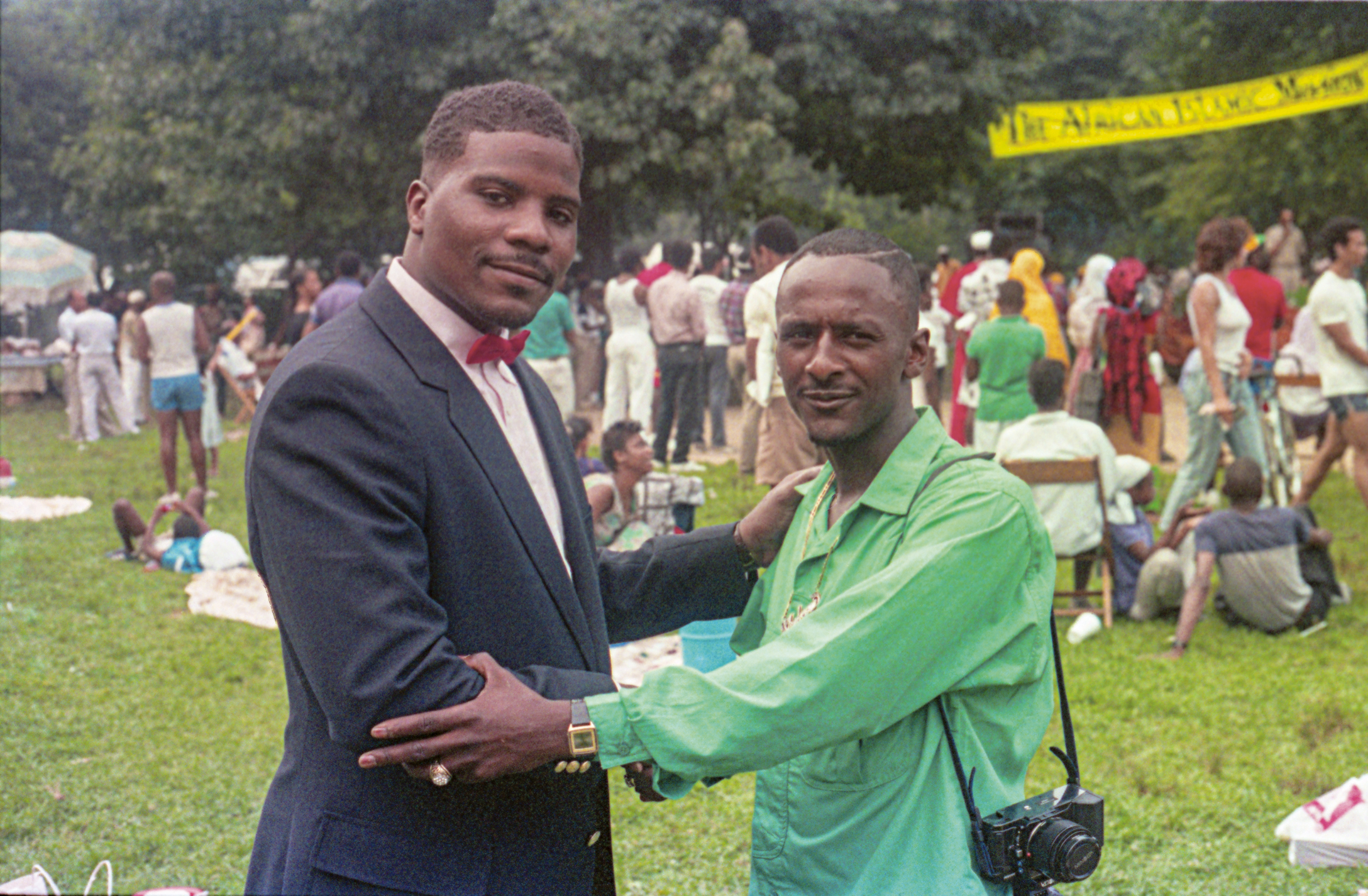
(Image credit: © Jamel Shabazz, 2025)
Nonetheless, his Prospect Park pictures – families, couples, hobbyists, party people, dreamers, wanderers, ‘a lot of love and joy’ – are at the gentler end of the photographer’s work. As a child of the era of Life, National Geographic and Playboy – ‘magazines that created a whole visual language and a way of seeing the world’ at a time when photography was arguably a more critical medium – it was perhaps inevitable that Shabazz’s work has more often focused around harder-hitting social commentary: prostitution, race, homelessness, Aids, the crack epidemic. ‘Sometimes I feel like I’ve only seen those [bleak] kinds of images,’ he laments. Right now, he’s volunteering in an animal shelter and working on a project about animal welfare.
‘I have a profound love of dogs, and the dog I was raised with was the greatest gift I ever had besides a camera. Actually, I’m getting a little tired of humans right now with everything going on, with all the hatred,’ says Shabazz. ‘But my father [an official US Army photographer] taught me always to have themes, so when I go out of the door I have at least ten in my mind. My eyes are open, my camera locked and loaded and I’m ready to observe.’
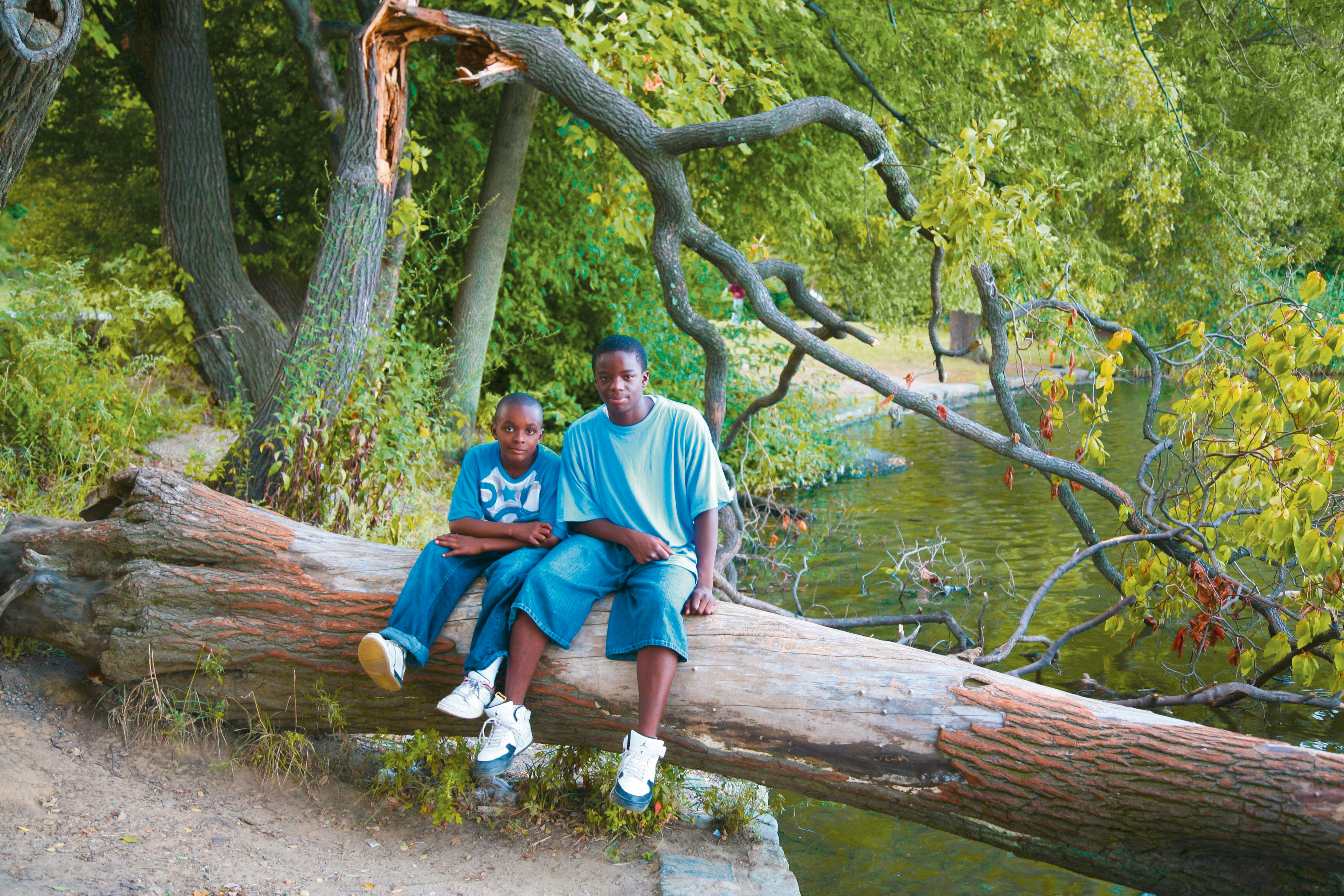
(Image credit: © Jamel Shabazz, 2025)
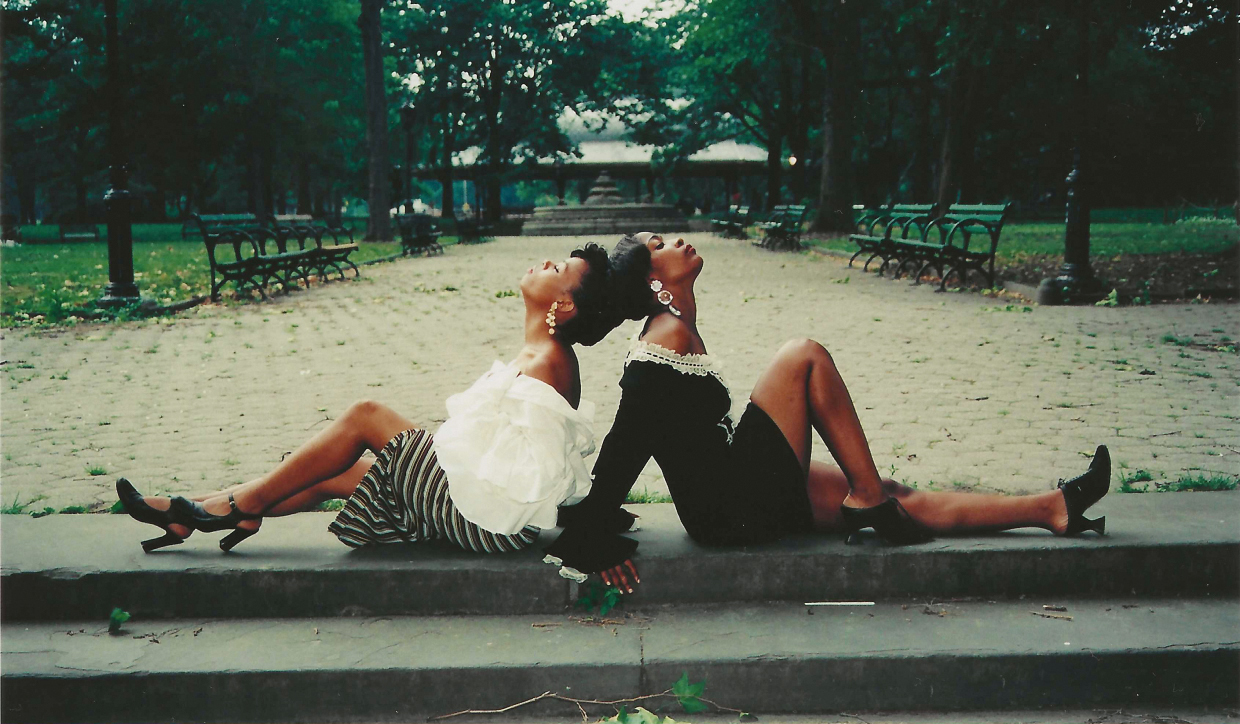
(Image credit: © Jamel Shabazz, 2025)
Shabazz says that his decades of shooting Prospect Park photographs were not only a relief from the gloom; today he loves social media, he says, ‘because those incredible images feed my mind, but they also cause a lot of pain to see how bad things are too’. The park photographs were also an attempt to provide a counter-narrative. Look, they seem to say, we’re more alike than you imagine. We can get on with grace and good humour. We can have empathy. ‘It’s not an escape [from the realities of life],’ Shabazz insists, ‘but a balance. Prospect Park has been a medicine for me too.’
Prospect Park Photographs of a Brooklyn Oasis, 1980 to 2025 By Jamel Shabazz with contributions by Laylah Amatullah Barrayn, Richard E. Green, and Noelle Théard © 2025 Prestel Verlag, Munich · London · New York
amazon.co.uk
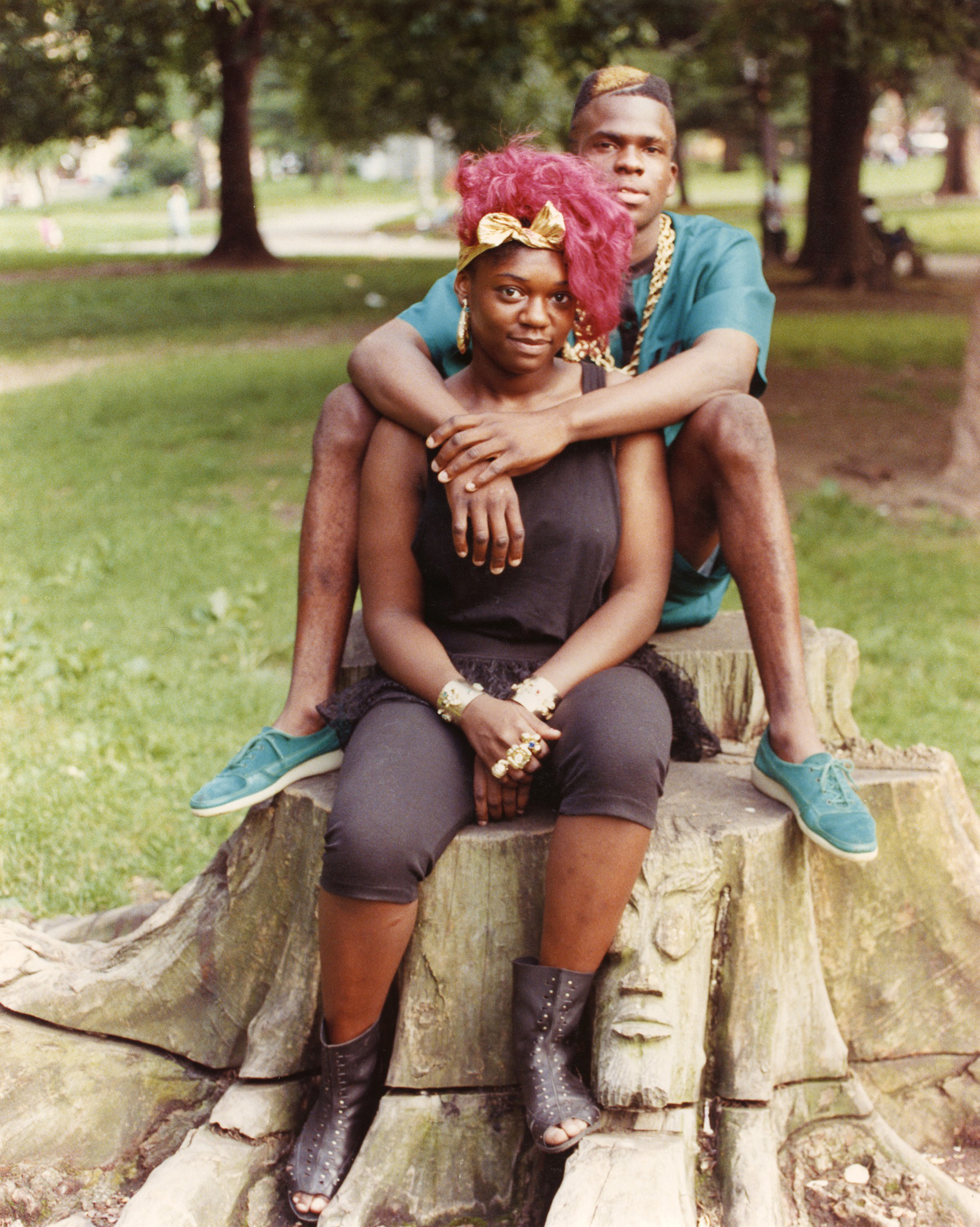
(Image credit: © Jamel Shabazz, 2025)
🔗 Source: Original Source
📅 Published on: 2025-10-06 10:00:00
🖋️ Author: – An expert in architectural innovation and design trends.
For more inspiring articles and insights, explore our Art Article Archive.
Note: This article was reviewed and edited by the archot editorial team to ensure accuracy and quality.